Transforming Verification Plan Management with TITAN: Overcoming Traditional Challenges
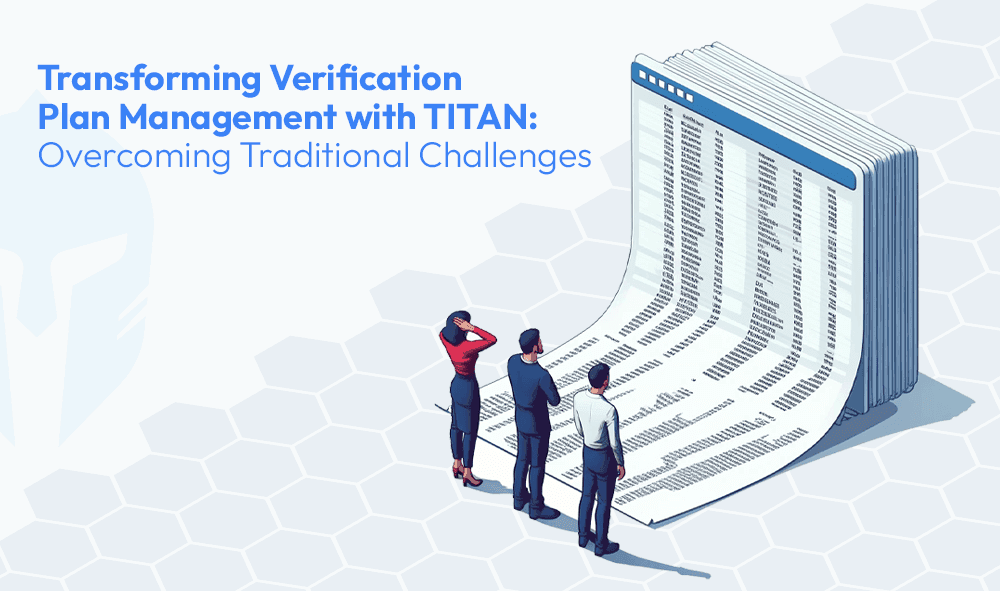
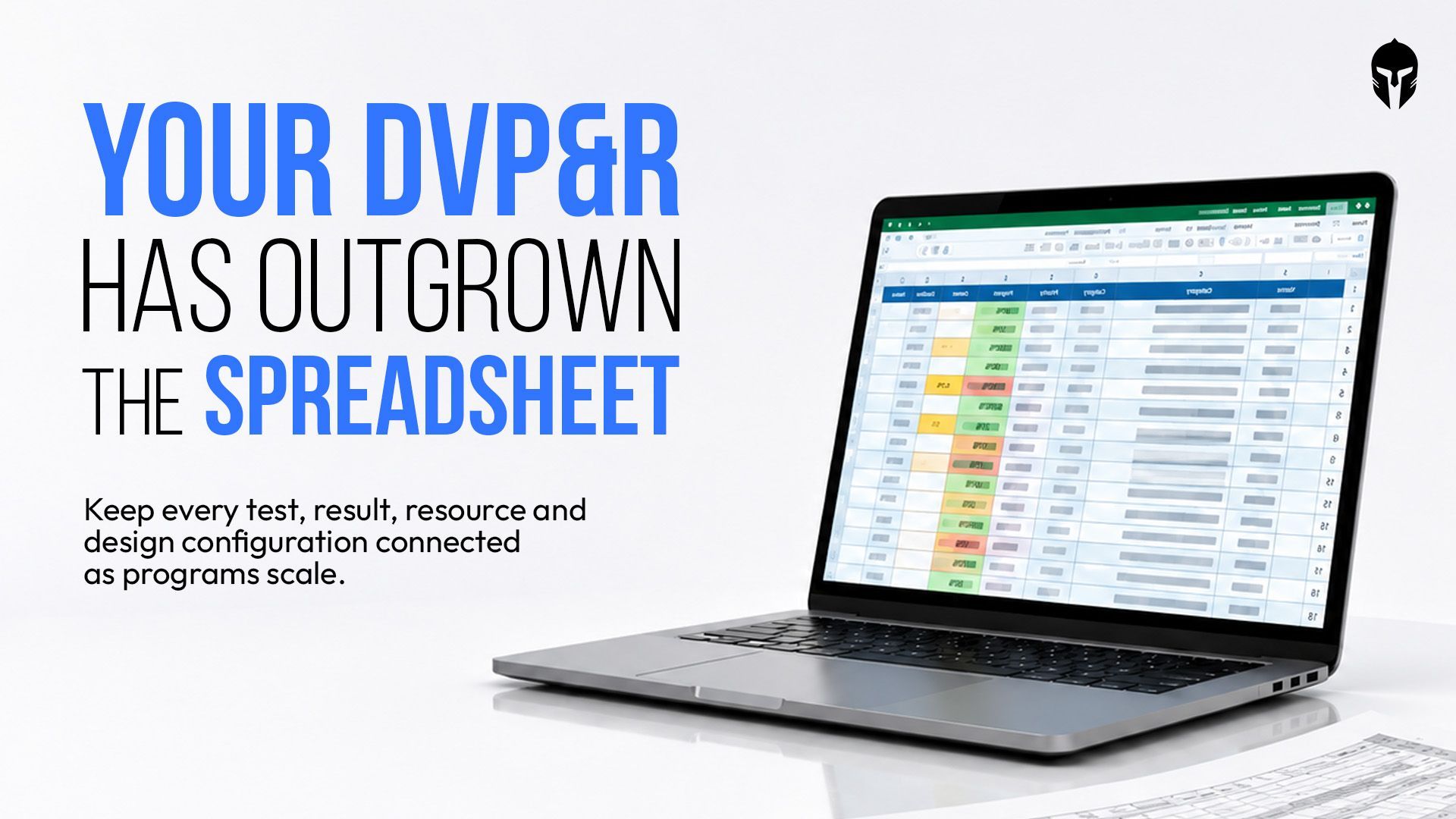
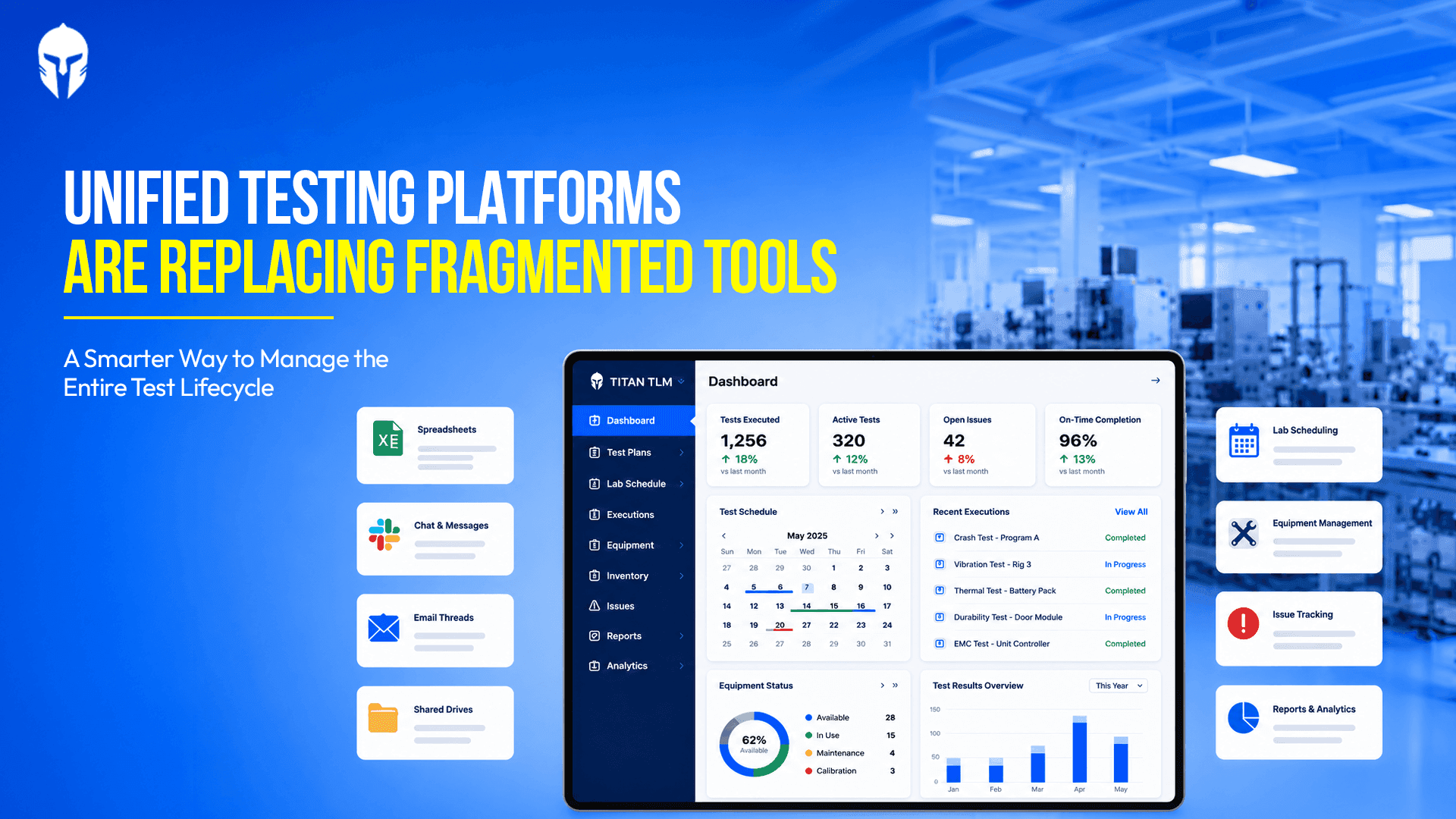
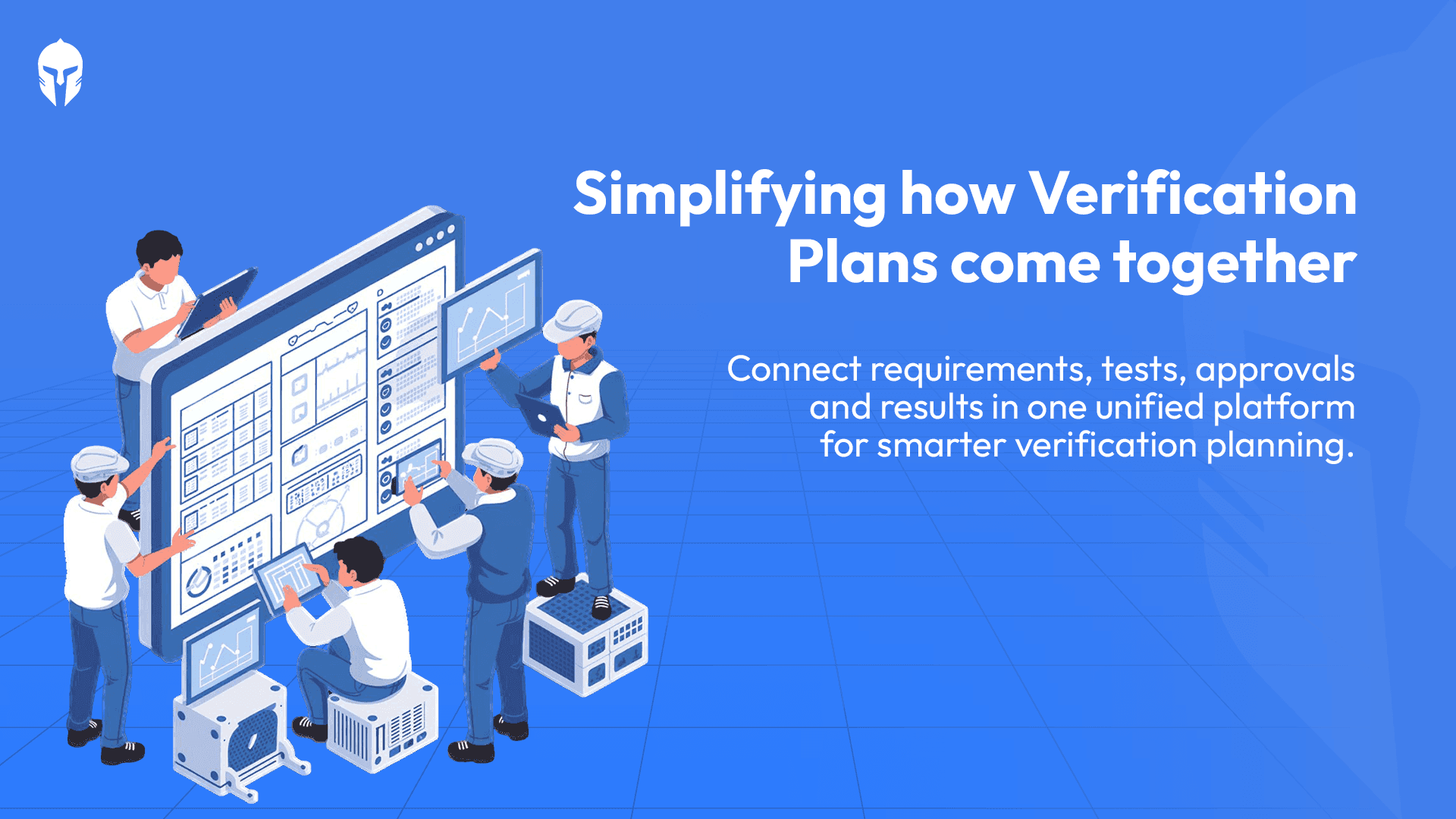
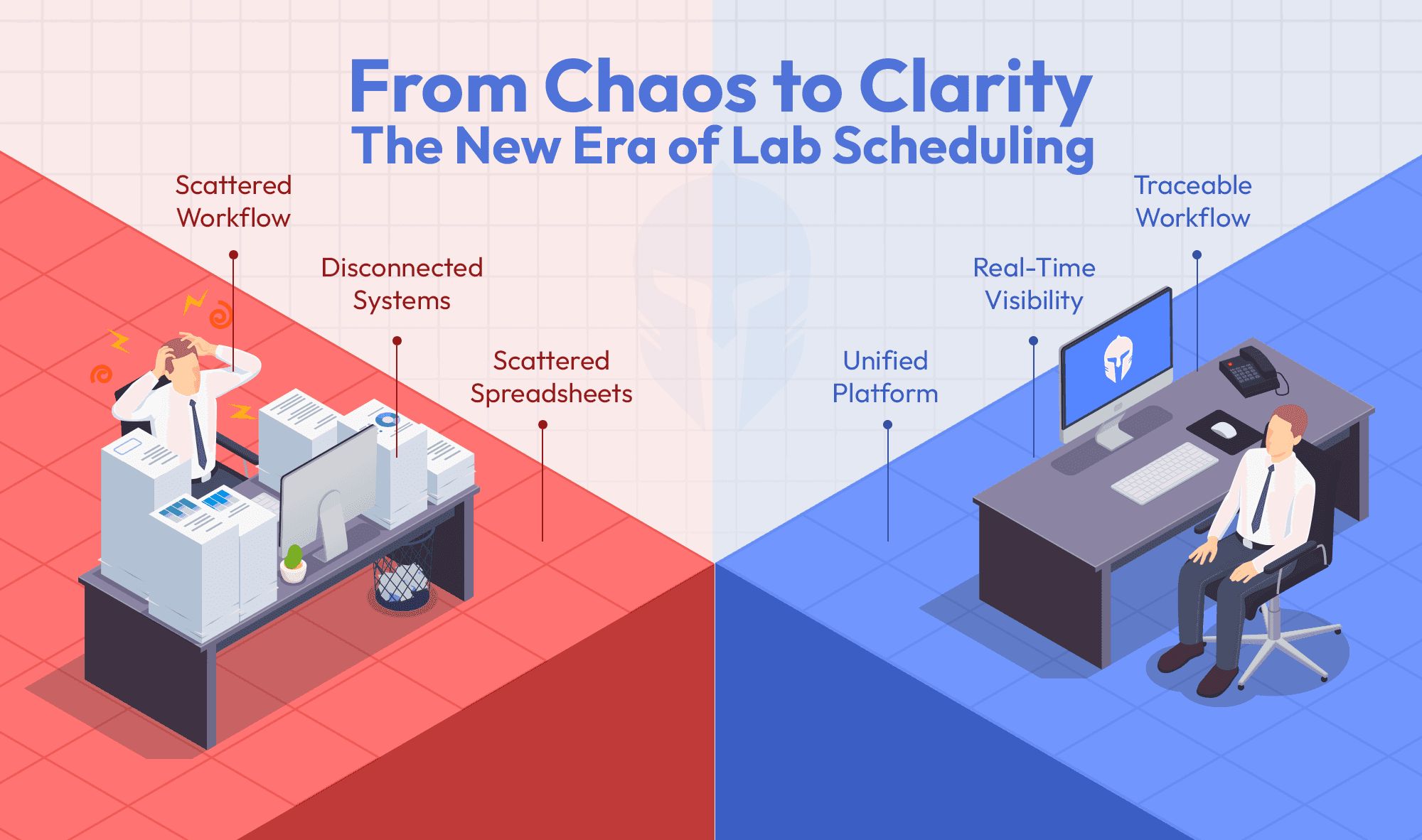
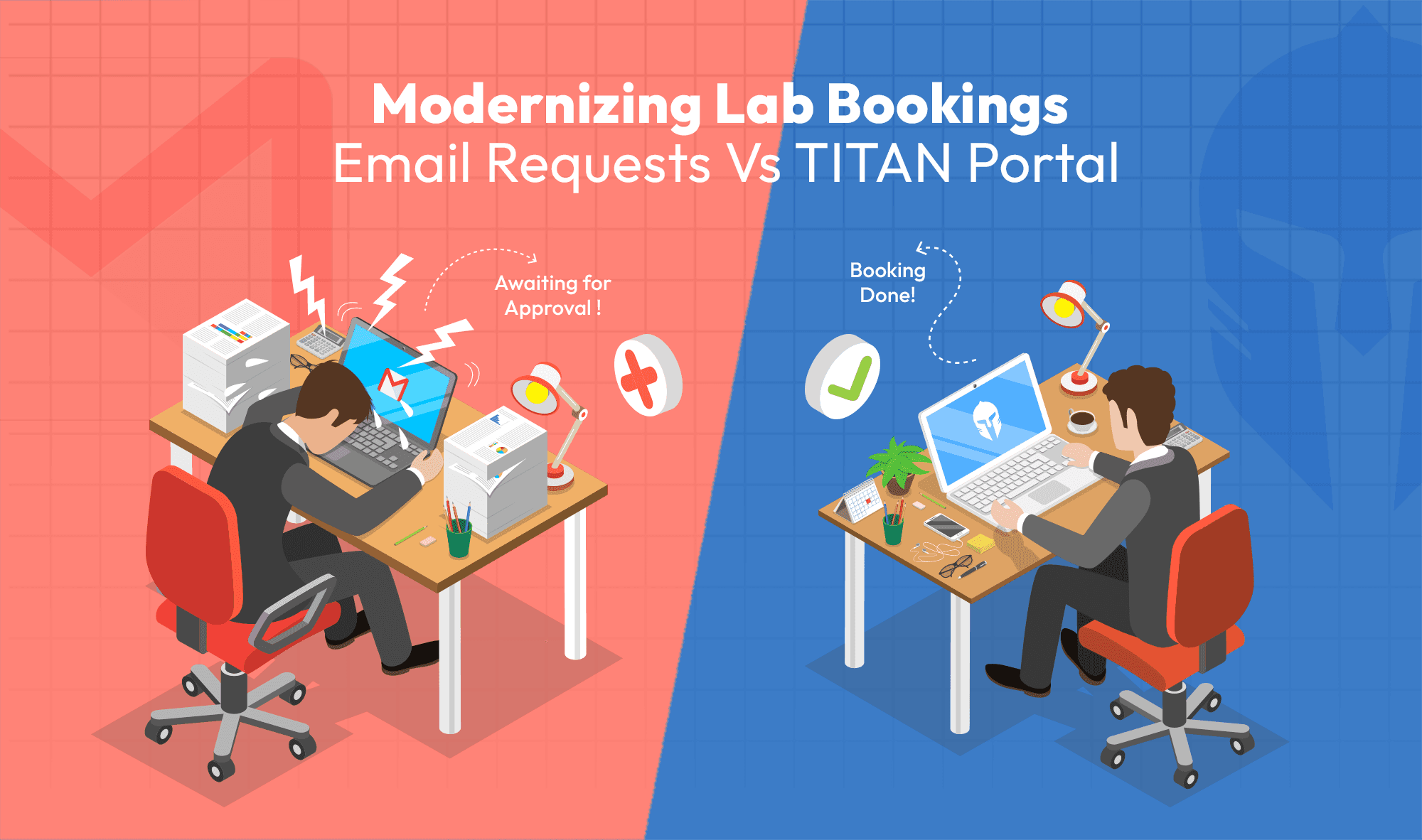
In today's fast-paced technological environment, managing verification plans (VPs) with outdated tools like spreadsheets or standalone systems can bog down your efficiency and clarity. In this blog, we will explore the common struggles faced by teams using traditional verification plan management methods and how TITAN Test Lifecycle management (TLM) revolutionizes this essential process. Strong DVP management is the difference between a program you can report on at any moment and one you reconstruct the night before a gate review.
A quick note on terms. The design verification plan and the verification plan are the same artifact. In automotive programs it is usually called the automotive DVP or DVP&R, and it sits inside APQP next to DFMEA and the control plan. The struggles below apply whatever your industry calls it.
Struggle 1: Starting from Scratch Every Time
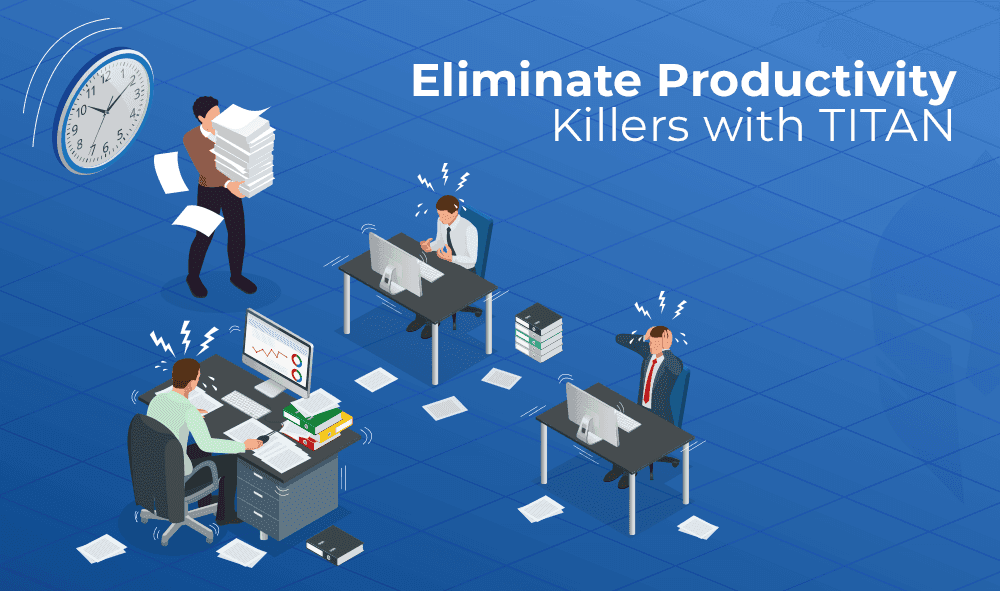
- Traditional methods: When creating a new VP, teams often start from scratch with no standardized templates or reusable components. This not only consumes valuable time but also leaves room for inconsistencies and errors during the setup phase.
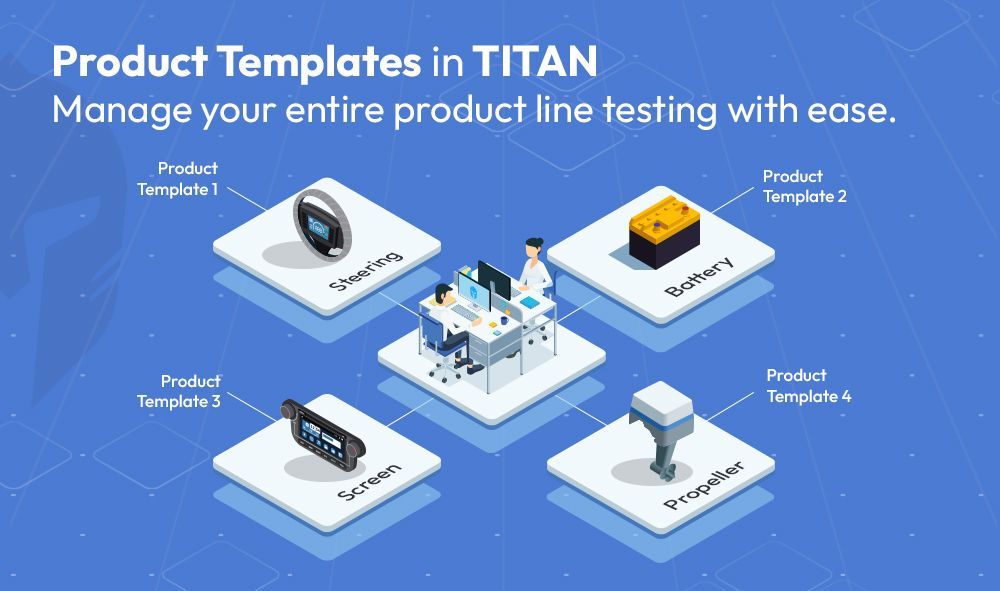
- How TITAN solves it: Titan simplifies the initiation of VPs by providing a standardized, reusable repository. Teams pull planned tests straight from the test catalog and integrate them into new verification plans. The system facilitates automatic linking to requirements and risks, and streamlines reviews and approvals, ensuring a consistent and efficient setup every time. That test catalog link is what carries a method from one program to the next without a copy-paste, and it is the foundation of dependable DVP tracking across variants and model years.
Struggle 2: Resource and Prototype Scheduling Nightmares
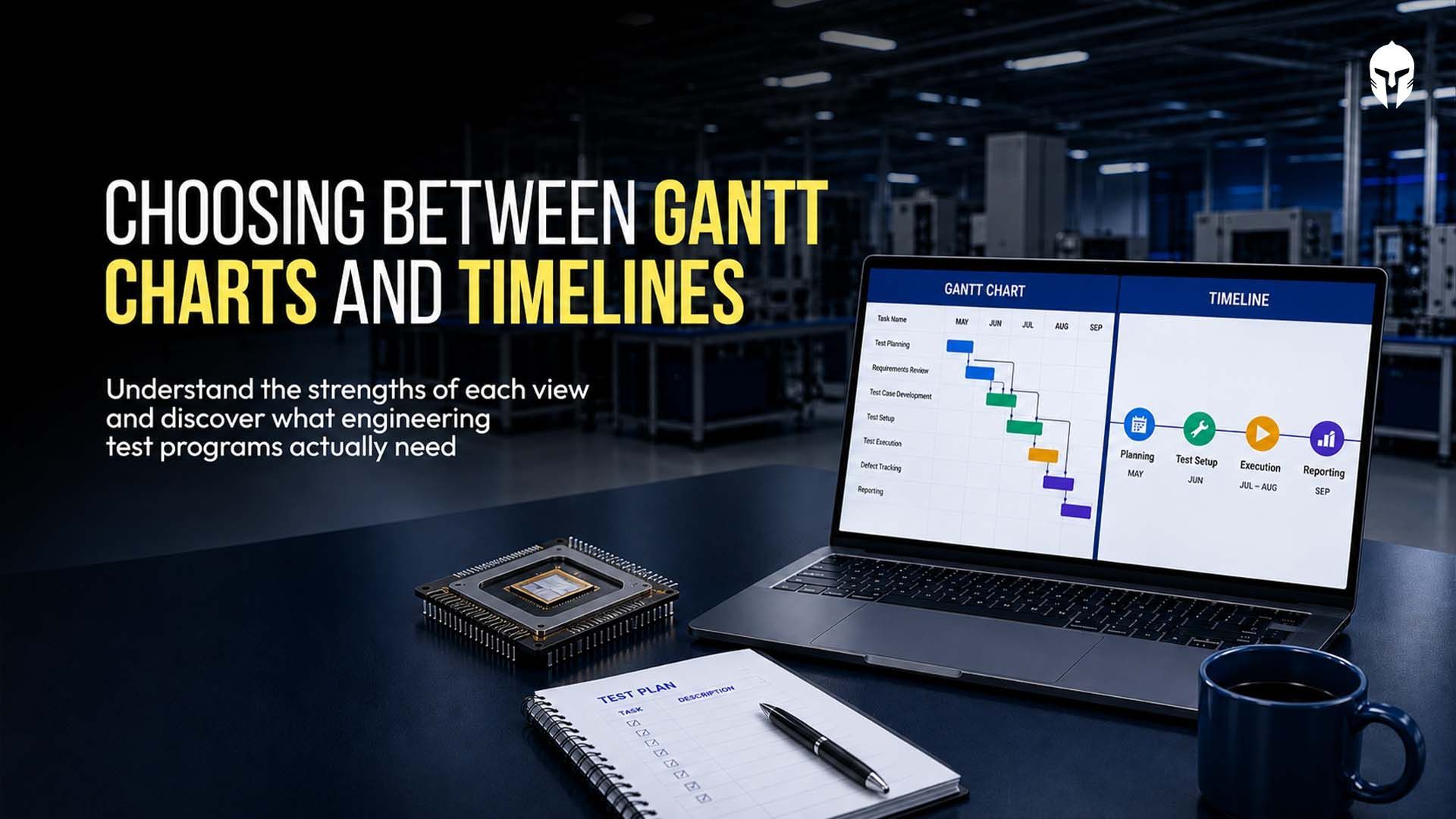
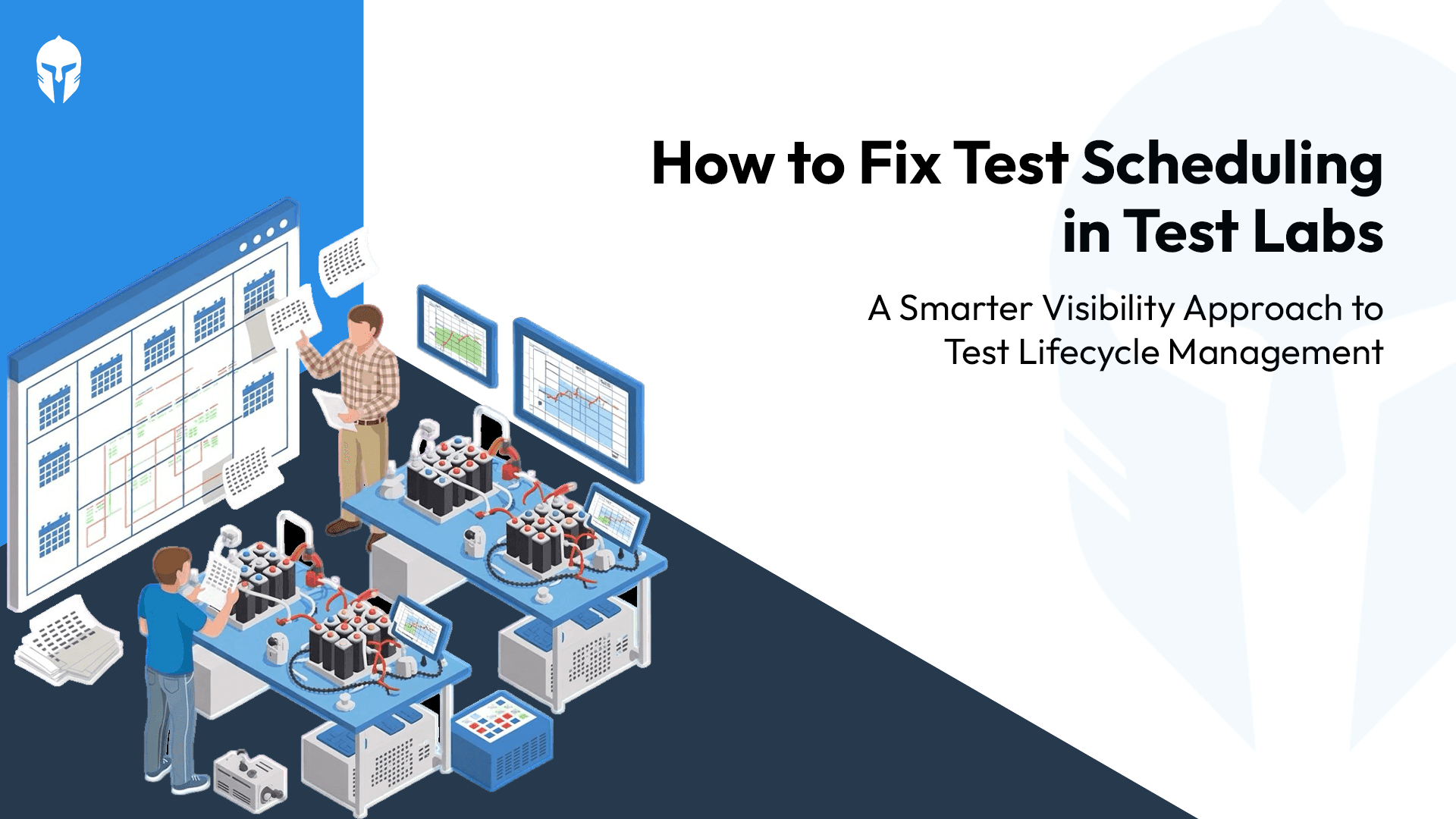
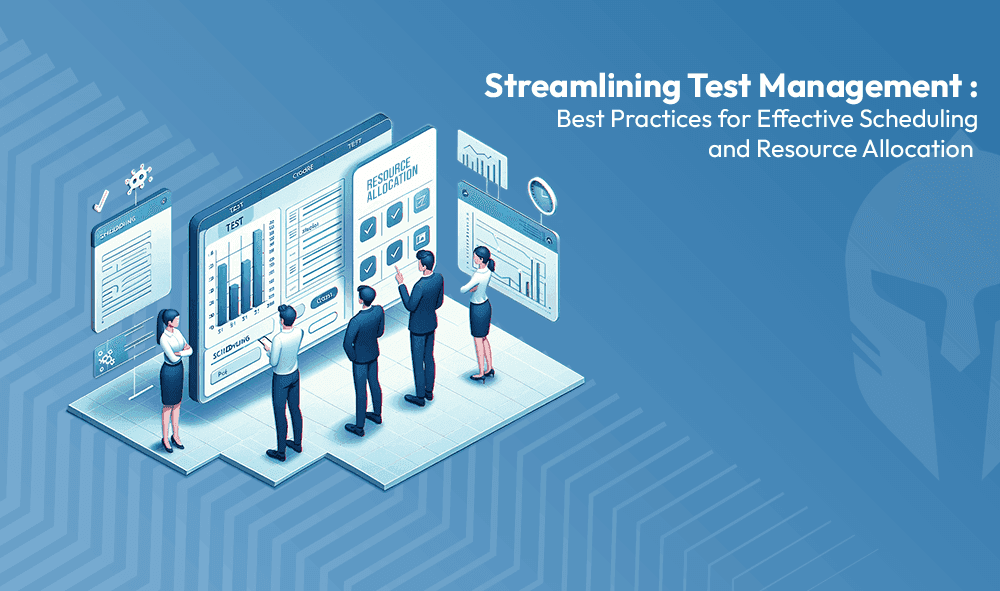
- Traditional methods: Juggling separate calendars for verification plans, resources, and prototypes creates a complex puzzle. Teams struggle to align availability and handle conflicts, often resulting in miscommunications and scheduling mishaps.
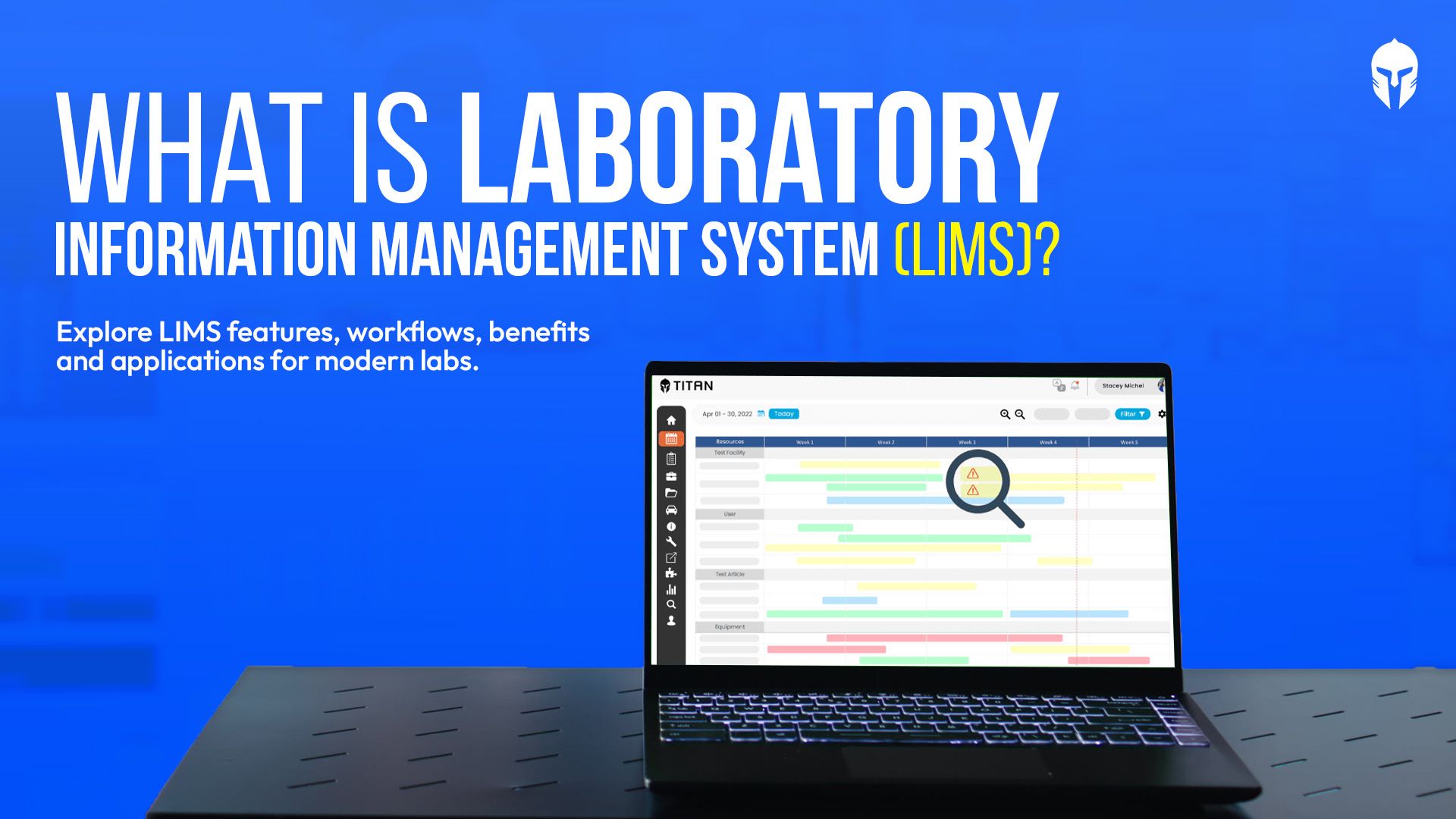
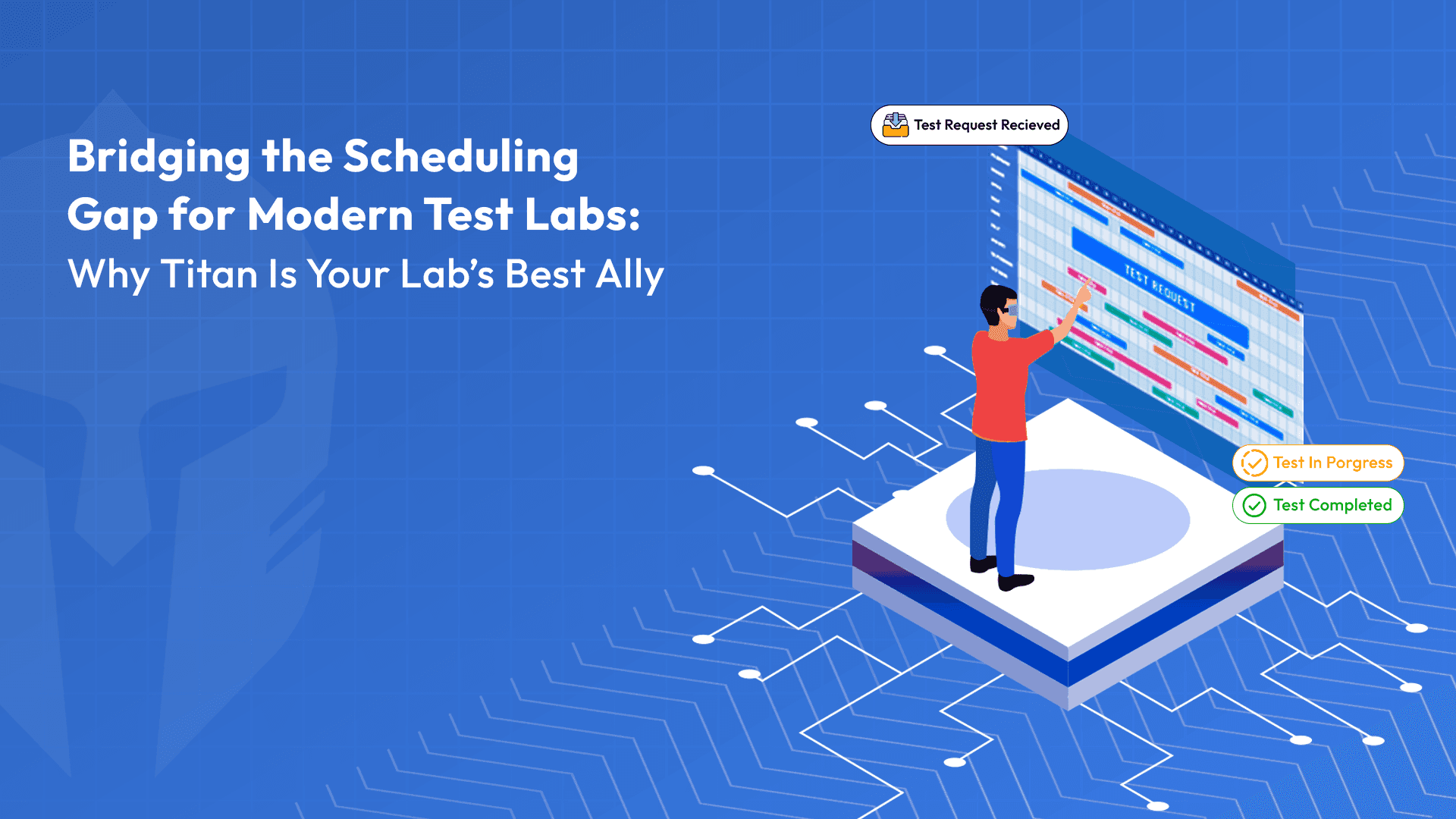
- How TITAN solves it: With TITAN's dynamic calendar, all types of resources, whether machines, human resources, or prototypes, are integrated and available for booking in one place. TITAN flags conflicts, suggests optimal resource assignments, and notifies teams in real-time, eliminating the need for separate communication channels. Each verification plan also defines its test articles directly, so the prototype a test needs is booked in the same place as the rig and the technician rather than tracked on the side. The test scheduling problem has more layers than it looks from outside the lab.
Struggle 3: The Domino Effect of Schedule Updates
- Traditional methods: In traditional project management, an update in the schedule can have a domino effect on subsequent activities. Changing timelines, reallocating resources, and notifying everyone involved becomes a daunting task. This often leads to two undesirable options: delaying the project or compromising on quality.
- How TITAN solves it: TITAN streamlines the process of updating schedules with just a click of a button. Its intuitive interface allows for quick rescheduling and reallocation of resources. When a reschedule creates a resource conflict, TITAN surfaces it and lets you swap an overbooked resource for an available one and the test sequence is preserved through the change. Most importantly, TITAN ensures that all stakeholders are instantly updated about the delay and its reasons, maintaining transparency across the board. This functionality not only mitigates the impact of delays but also helps maintain project quality and stakeholder confidence.
Struggle 4: Handling Work Orders
- Traditional methods: Work orders related to test setups, logistics, or procurement are often managed manually, leading to a lack of transparency and potential delays that can derail the entire verification plan.
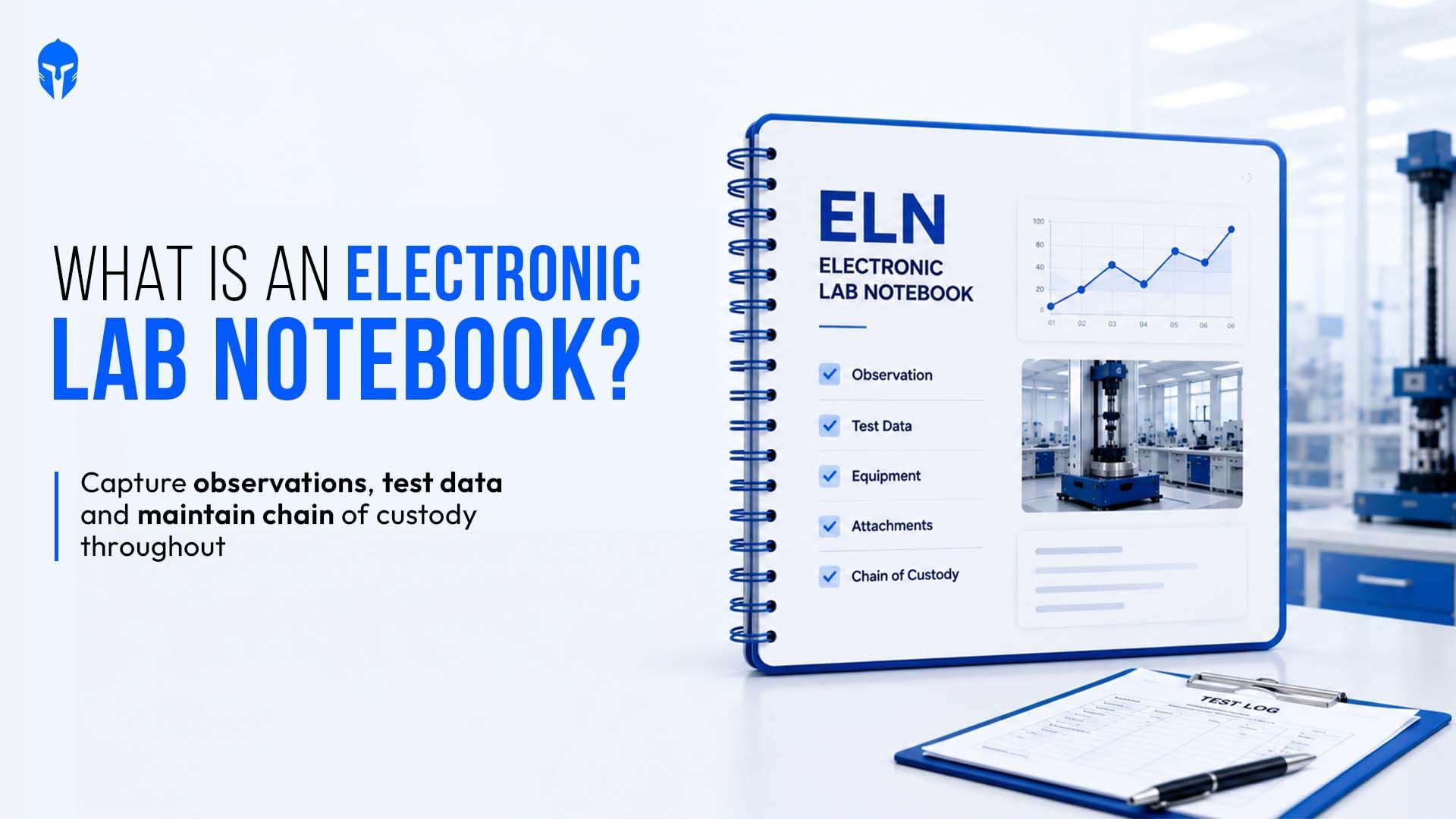
- How TITAN solves it: TITAN seamlessly incorporates work orders into the testing workflow as manageable events. Dependencies among test events are clearly defined, so a slip in setup or procurement is visible against every test that depends on it rather than discovered late. Additionally, TITAN's electronic checklist feature standardizes and streamlines the data entry process, ensuring nothing falls through the cracks.
Struggle 5: Tracking Progress and Burndown
- Traditional methods: Monitoring the progress of verification plans and understanding project burndown rates is often a cumbersome and inaccurate process, which makes it difficult to identify and address slippage promptly.
- How TITAN solves it: TITAN provides an overarching view of each verification plan's progress and the detailed status of individual tests, so teams can see at a glance which tests are pending, in progress or complete without chasing updates. Project managers can access burndown charts to assess actual versus planned scenarios at any stage, measuring the slippage between planned and actual timelines and enabling proactive management of timelines and resources.
Struggle 6: No Traceability and No Version History
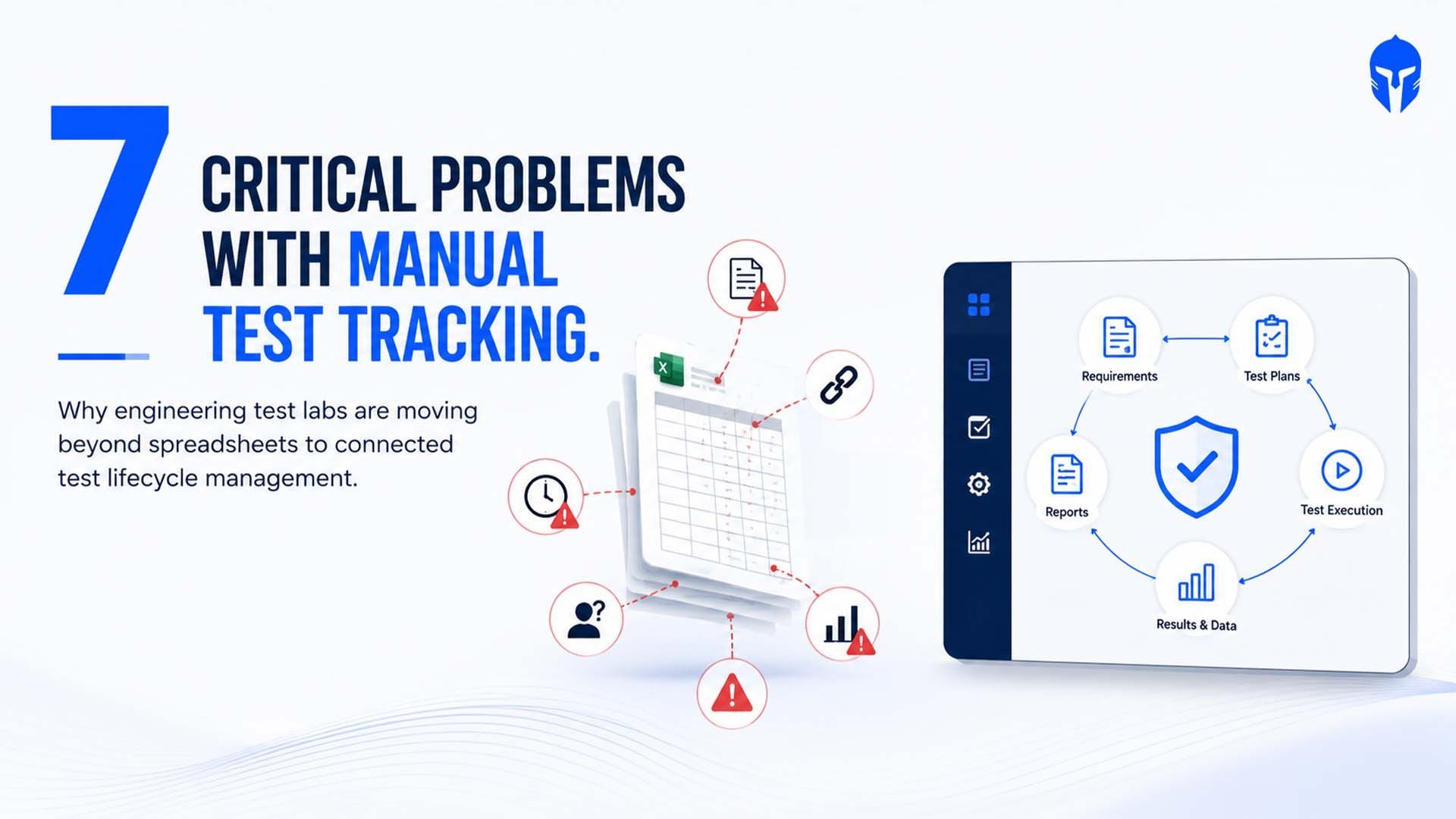
- Traditional methods: A spreadsheet VP has no memory. When a plan changes, the previous version is overwritten or saved as another file with a longer name. Months later, when an audit asks what was tested, against which requirement, and who approved it, the answer sits across email threads, drive folders and the recollection of whoever ran the test. Unstructured validation records create compliance gaps and expose the team to rework.
- How TITAN solves it: TITAN keeps structured, linked records of test plans, results and approvals, with version control on the plan itself. Bulk review and approval moves a whole set of tests through sign-off at once rather than one email at a time. When an audit asks what was tested, approved or validated, the record is already assembled. This is the part that separates real DVP software from a spreadsheet with a version number in the filename, and it maps directly onto the traceability that ISO/IEC 17025 expects from a testing lab.
Conclusion:
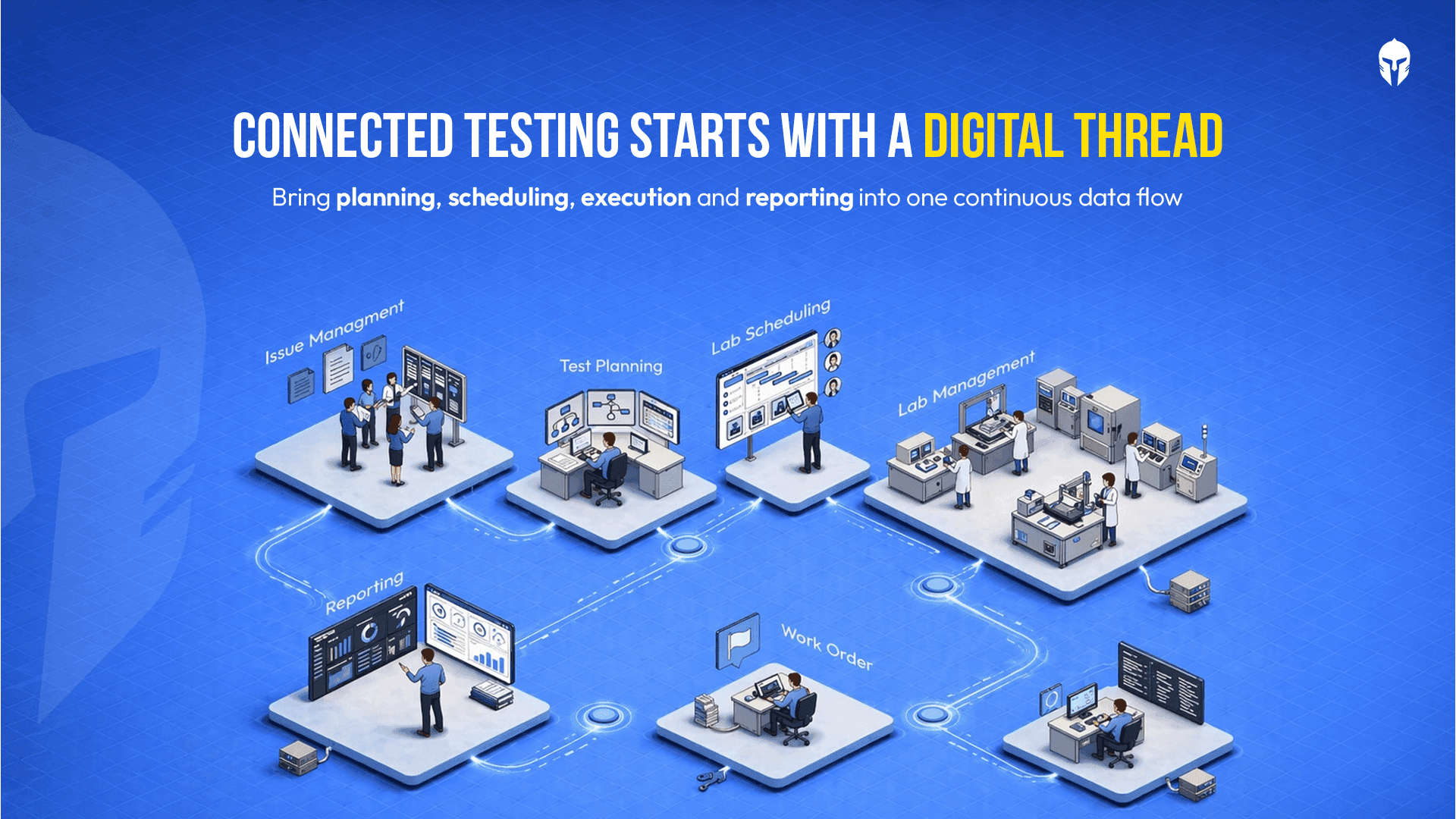
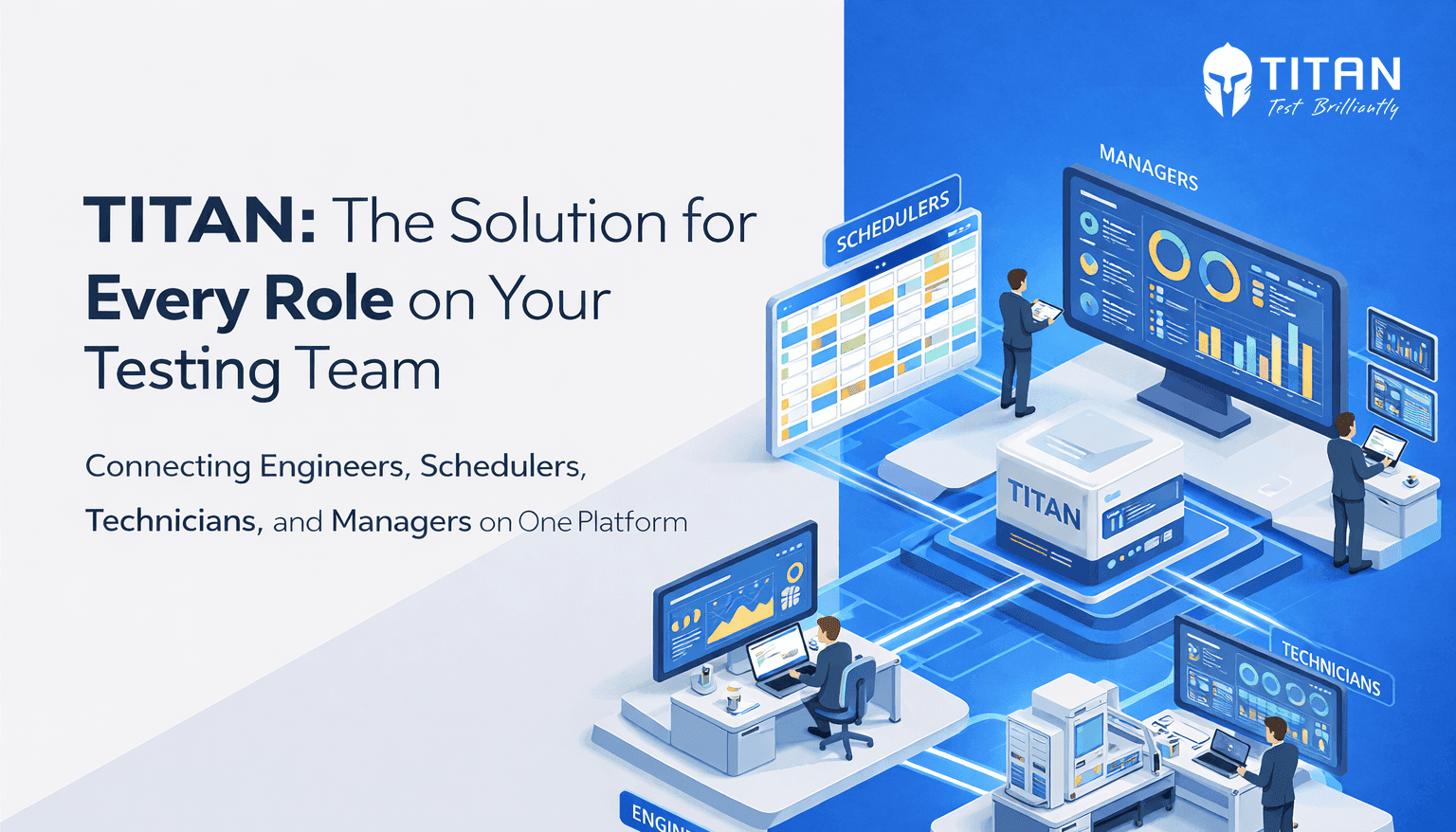
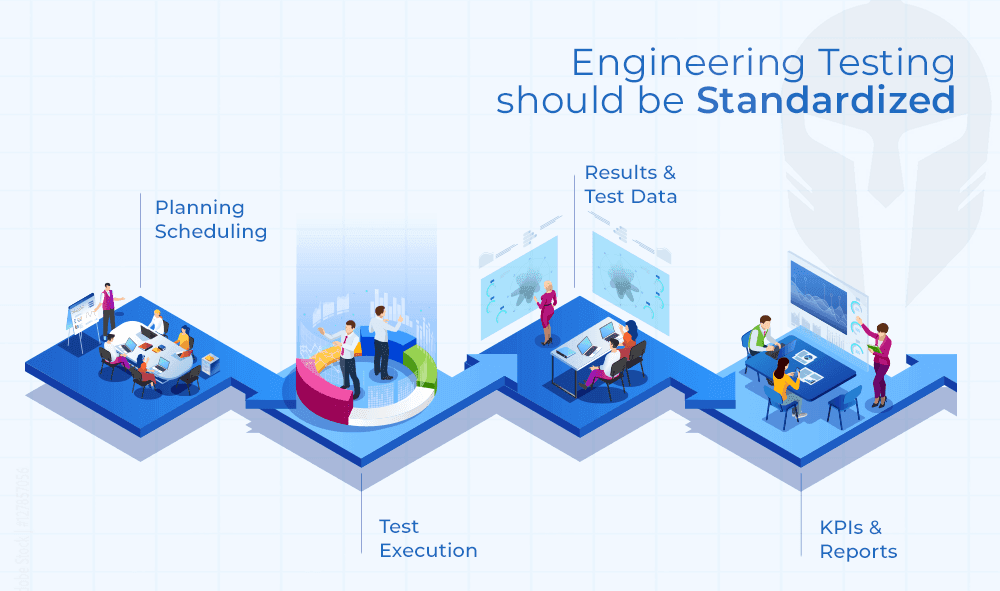
Switching from traditional verification plan management to TITAN can significantly reduce the time and effort spent on setup, resource scheduling, work order management and progress tracking. By integrating all aspects of verification plan management into a single platform, TITAN not only enhances efficiency but also improves overall test accuracy and project delivery. TITAN's capability to manage schedule updates seamlessly ensures that projects stay on track without compromising on quality.
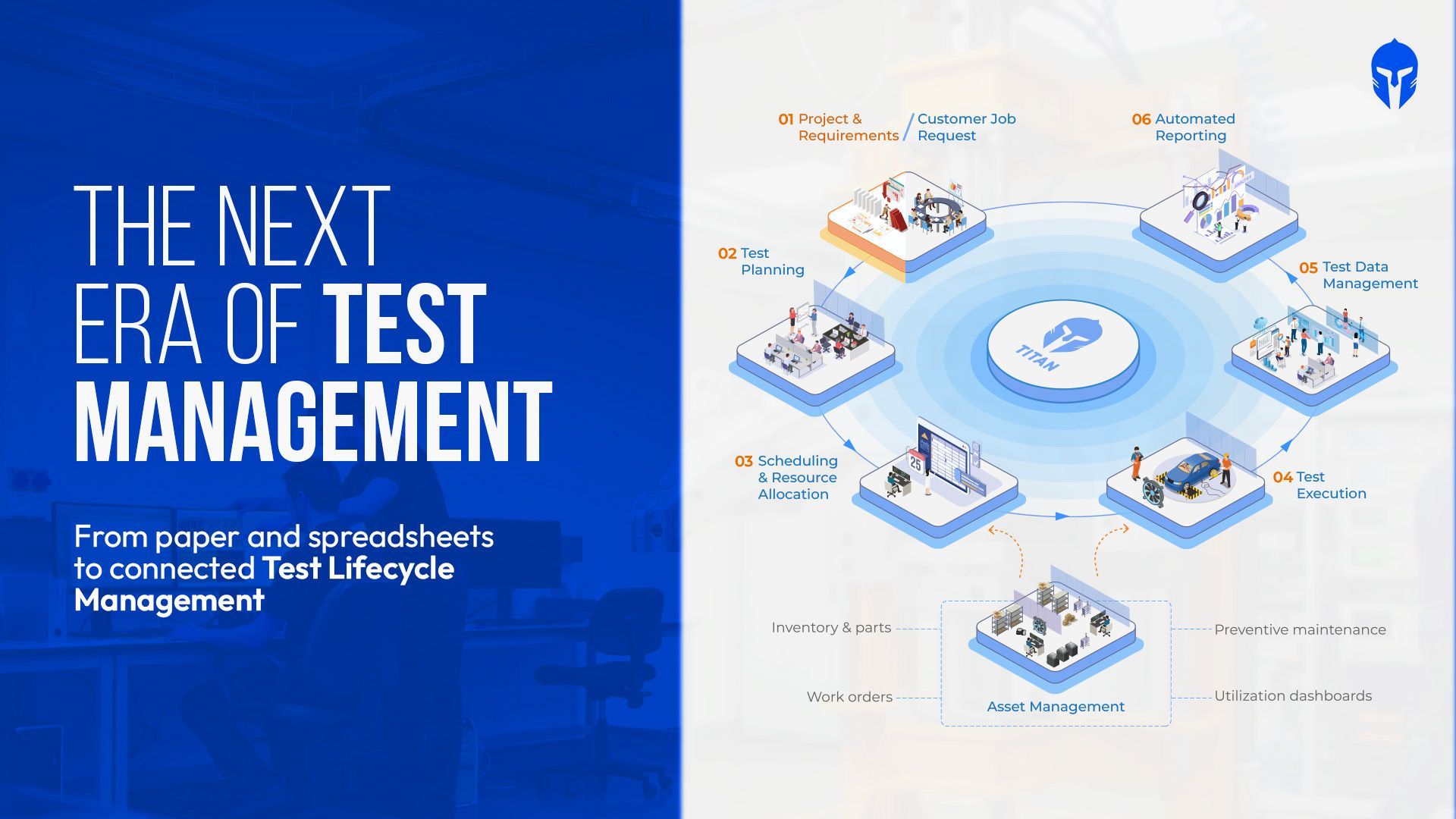
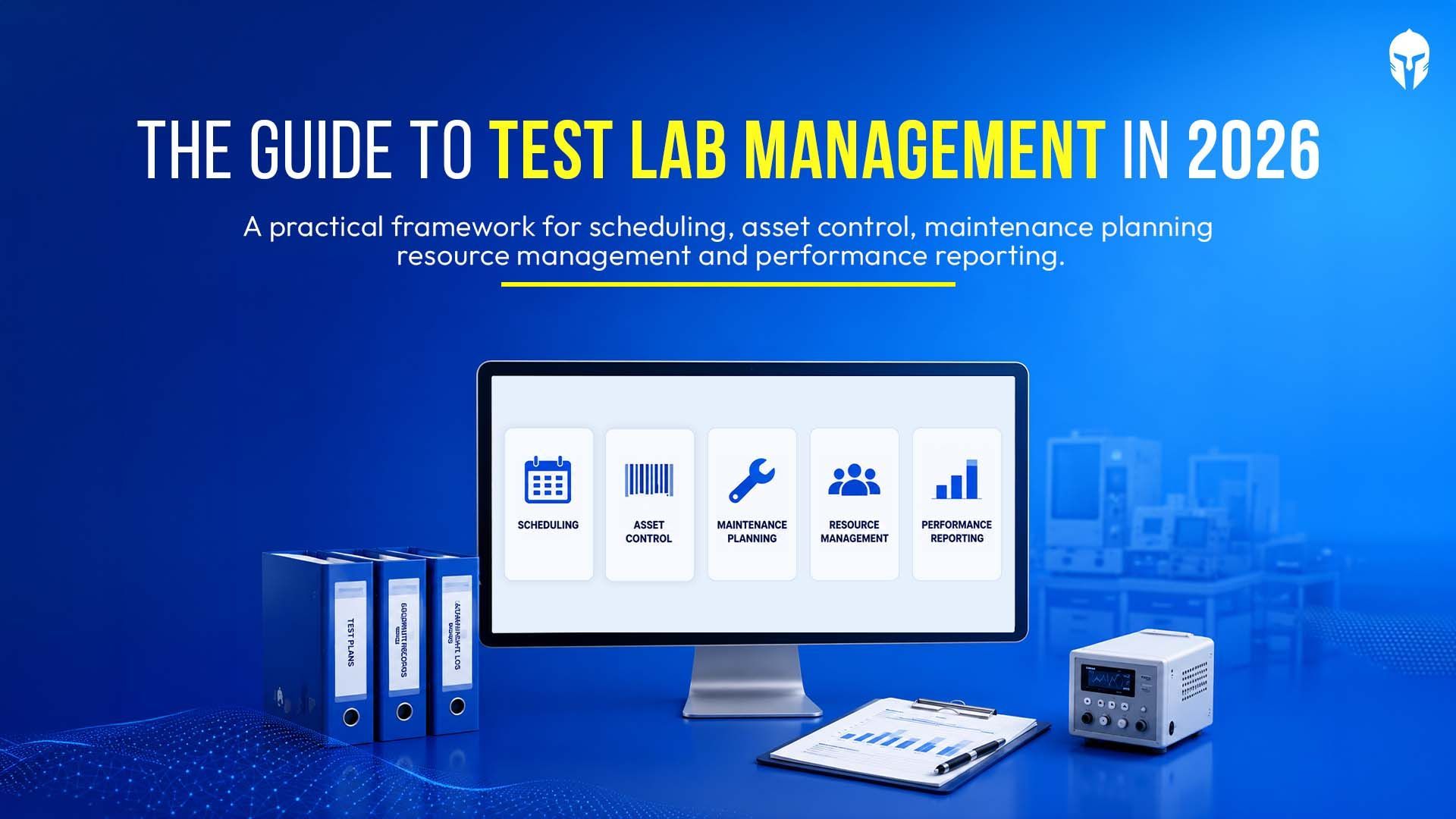
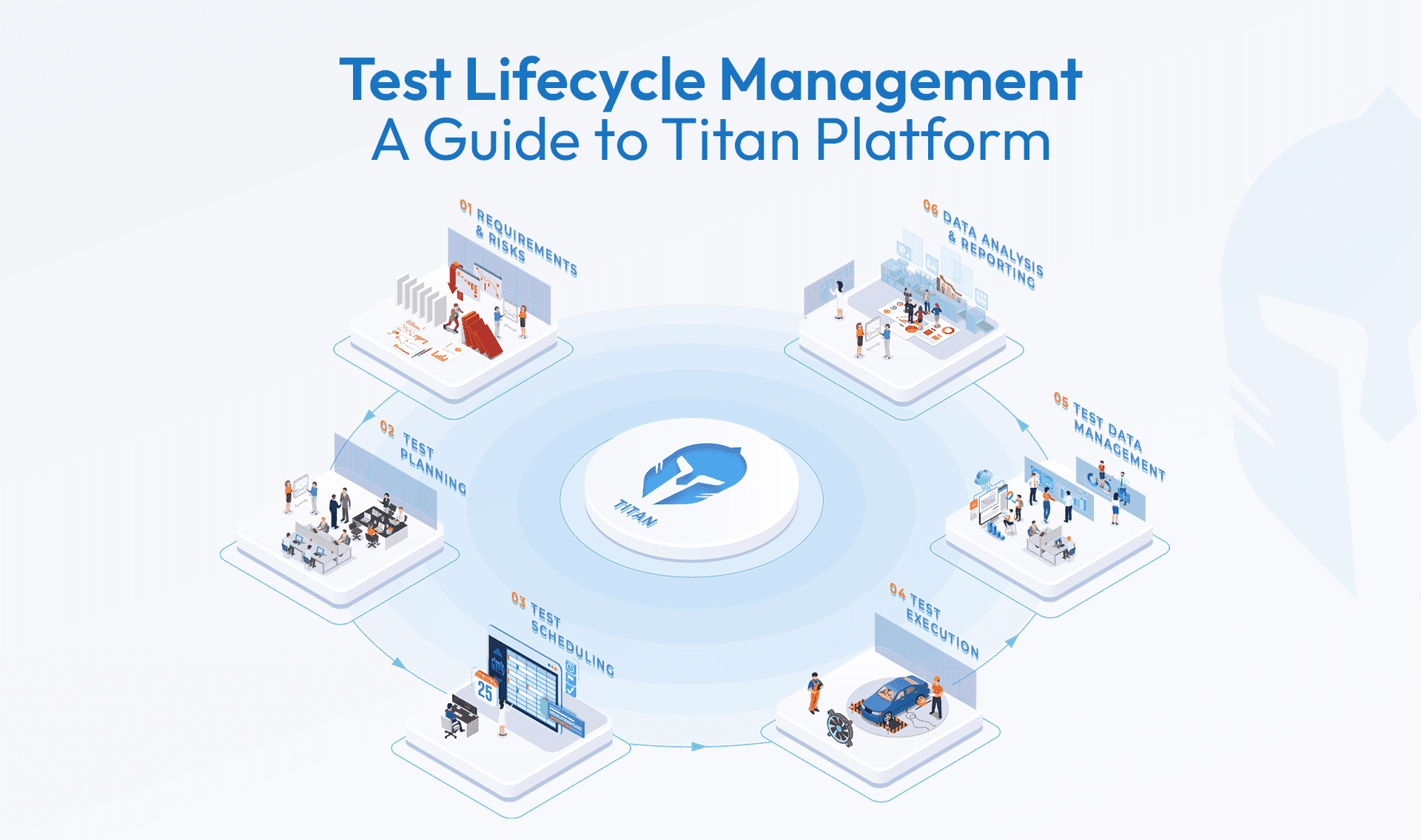
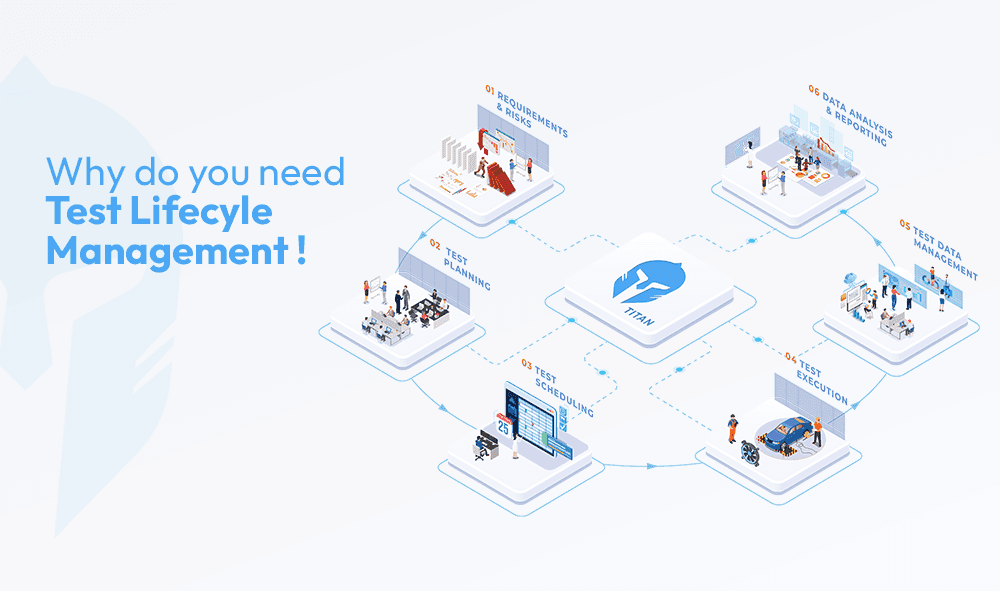
The reason all six struggles resolve in one place is that the verification plan is not a document in TITAN. It is the spine that connects requirements, tests, schedules, test articles, results and issues, which is the whole idea behind test lifecycle management. For the fuller treatment of the discipline, see DVP essentials, and for how teams at OEMs and component suppliers run the same plan against different constraints, the verification plan feature page walks through it end to end.
Request a demo and see Titan in action