Maximizing Efficiency in Test Management: The Case for Choosing TITAN Over Custom Solutions
You recognize that streamlining and automating your testing processes will enhance quality while reducing costs. As you consider the idea of creating a tailored solution that would perfectly fit your current process, it's important to also understand why this might not be the best approach.
And here are some reasons why you shouldn't do it.
Rapid Deployment
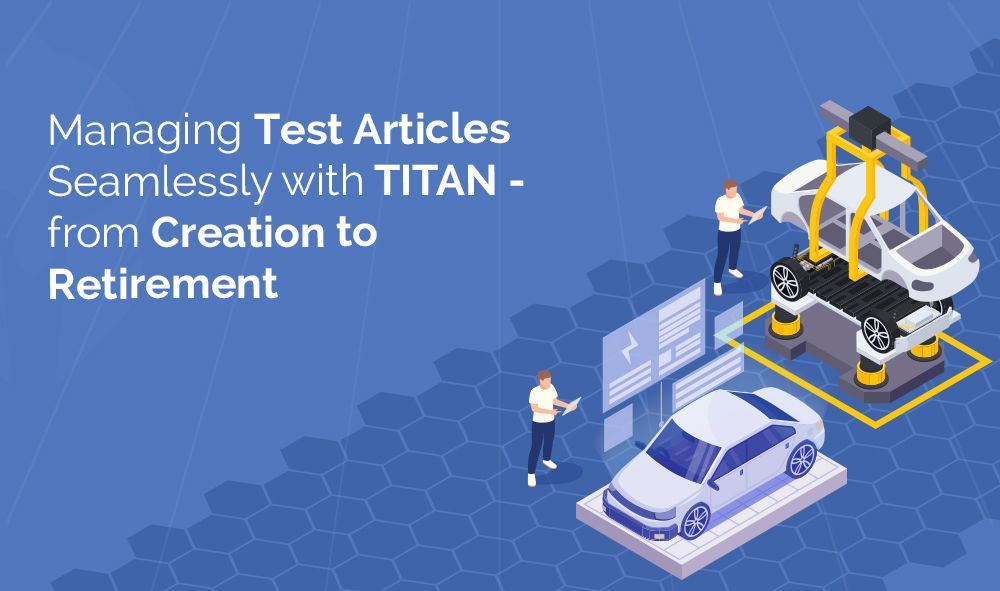
The sooner that testing processes are automated the sooner your company can enjoy the benefits of improved quality and productivity. The average time to build a test lifecycle management solution can vary widely depending on several factors, including the scope of the project, the complexity of requirements, the size and experience of the development team and the technologies used. A comprehensive, fully-featured test lifecycle management solution could take 12 to 18 months or more to develop. In addition to rapid deployment within days or weeks, there are other significant benefits for obtaining a solution like TITAN.
Costs
Developing a custom solution is a bit like exploring a cave, you don't know where the end is until you get there. Decisions about which technology to develop on, where the infrastructure is hosted, how security is implemented, and how the application will communicate with other applications is just the start.
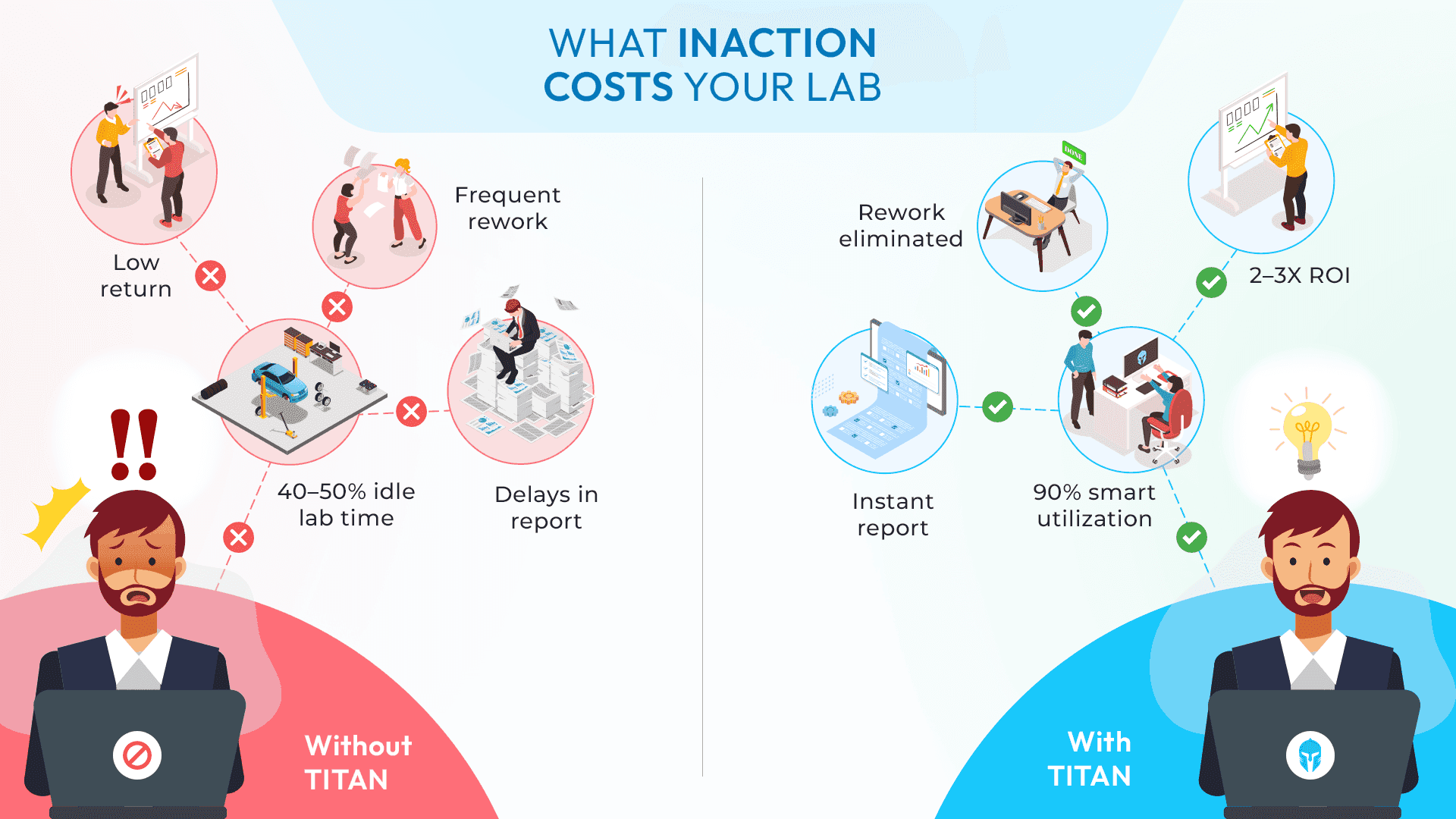
Using a solution like TITAN, you have all the cost information you need up front. The cost of waiting belongs in that calculation too.
Ongoing support and Training
Once your application is developed, who will provide ongoing support? Is this someone's part-time job? A full-time job? What happens if the person leaves, or the technology used becomes obsolete? You don't have to worry about these headaches with a commercial off-the-shelf (COTS) solution like TITAN. TITAN is staffed with knowledgeable support personnel. The technology is developed and supported with the long term in mind. We wrote about this exact moment in home grown tools vs TITAN, because the tool rarely fails. The person who maintained it leaves.
Customization
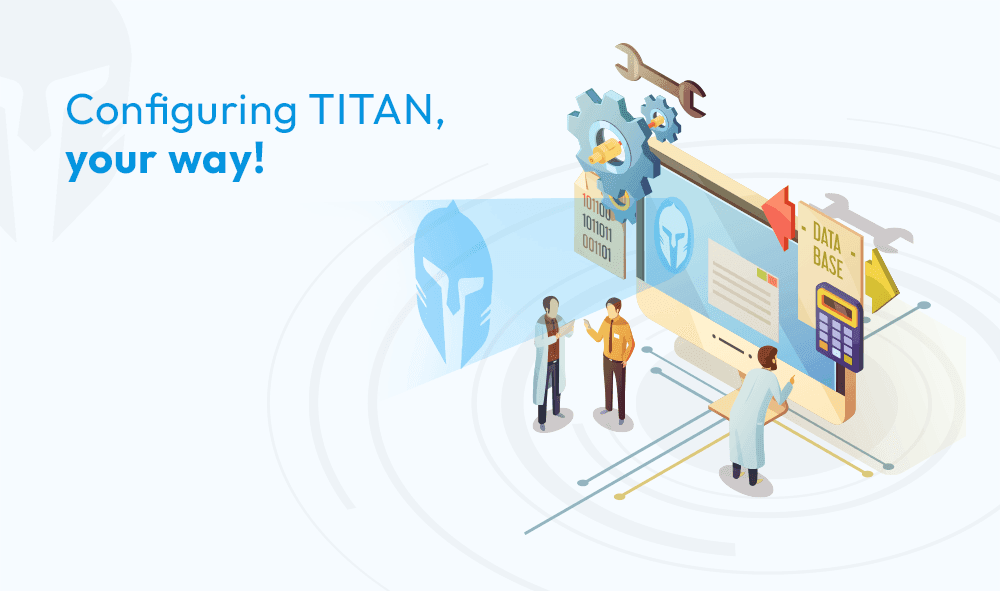
Customization is likely the number one consideration when deciding to go the in-house development route. But TITAN has predicted that need. Out-of-the-box, TITAN provides an extensive list of features, like custom workflow, which allows the team to tailor the application to their unique process. Enterprise Edition of TITAN also features a set of APIs that allow it to communicate with other applications within your company.
Features
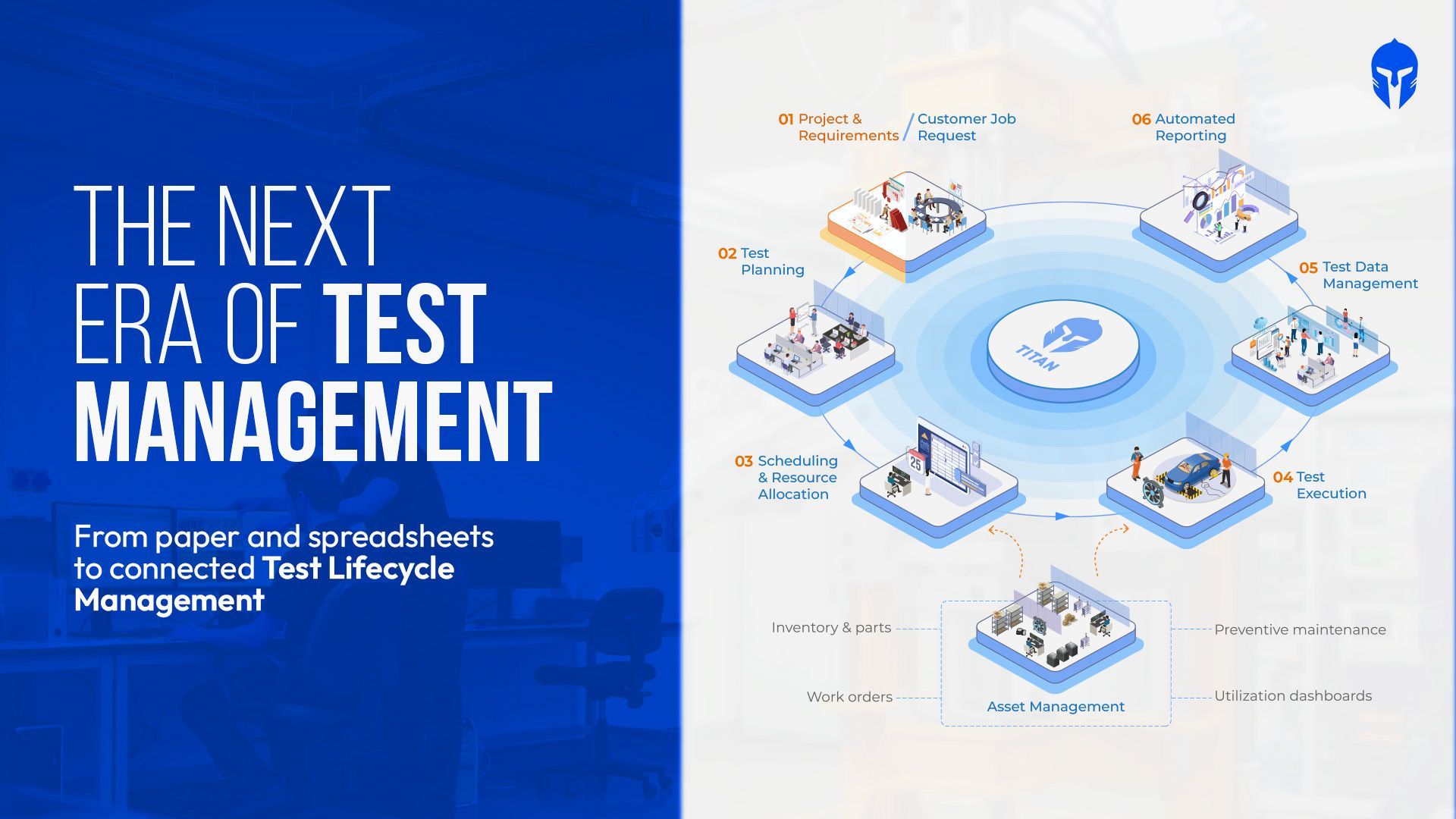
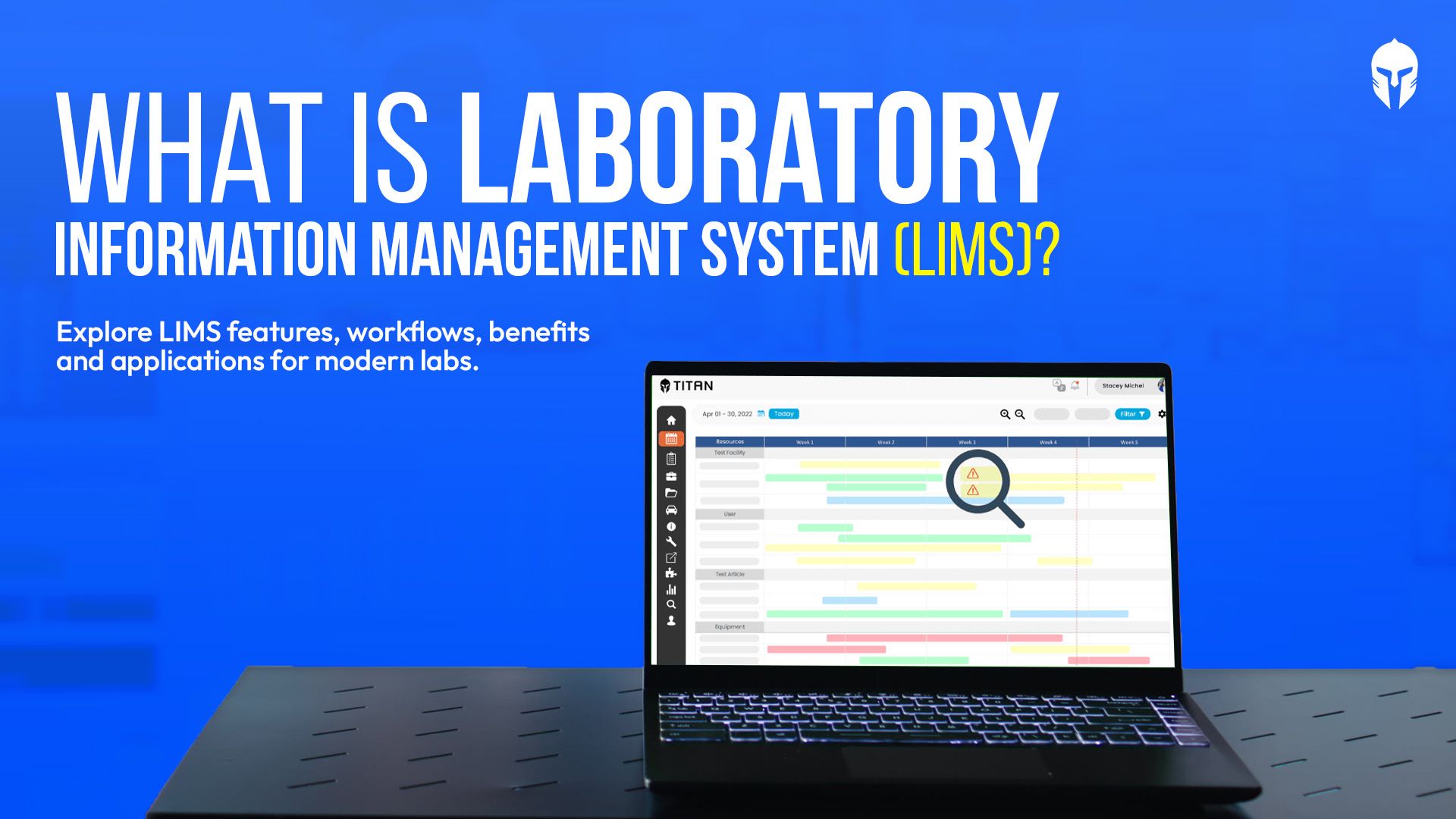
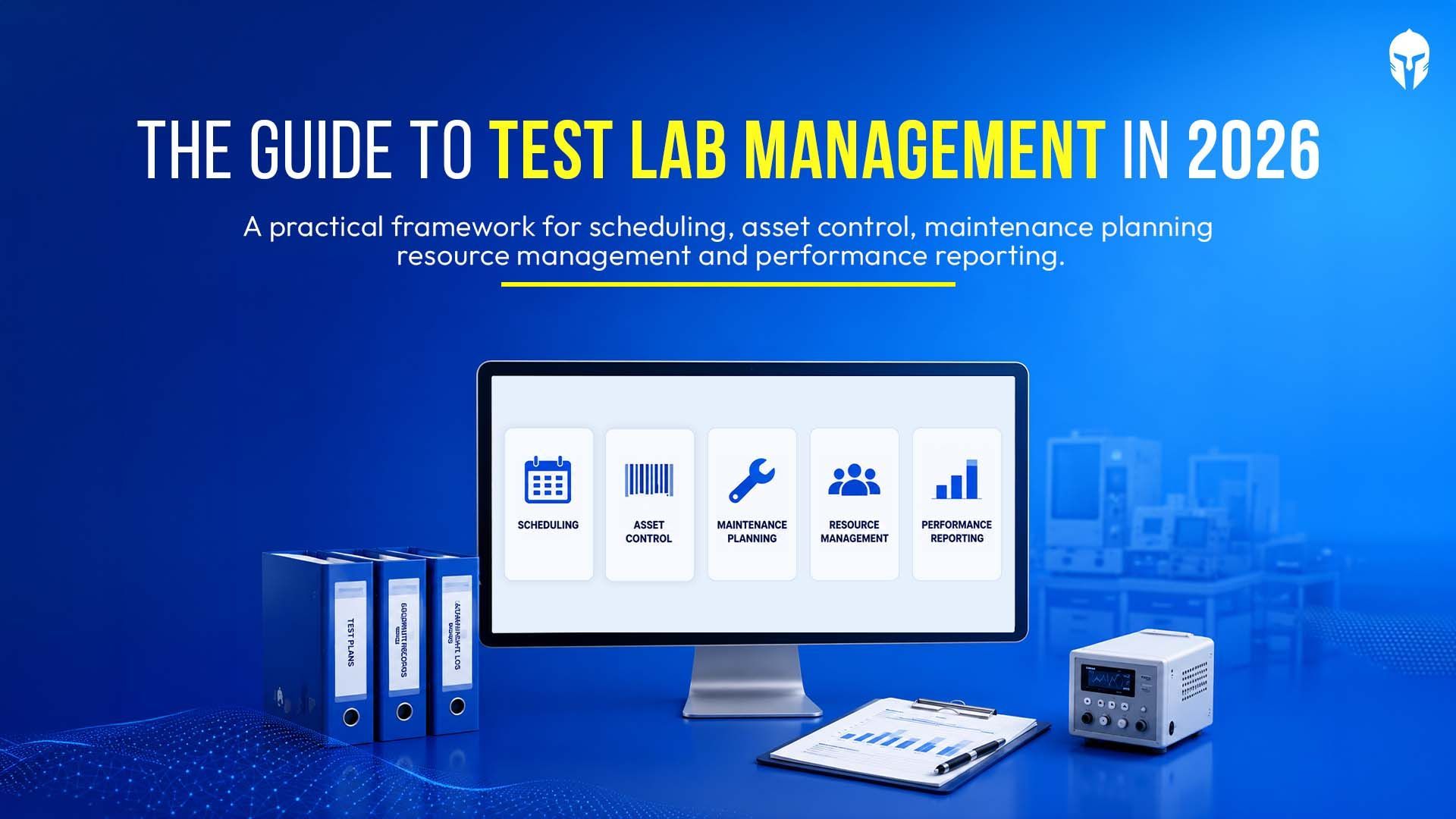
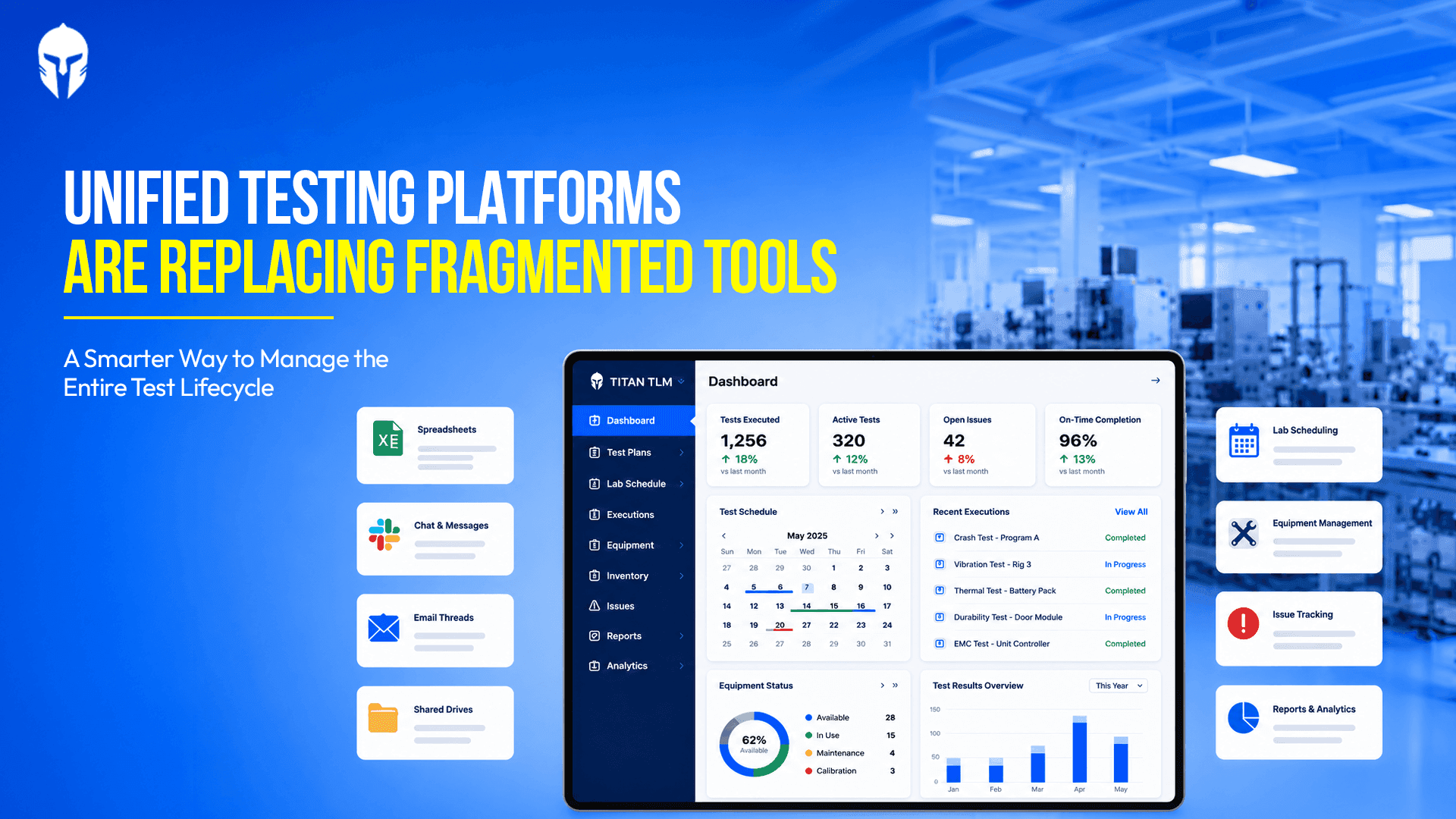
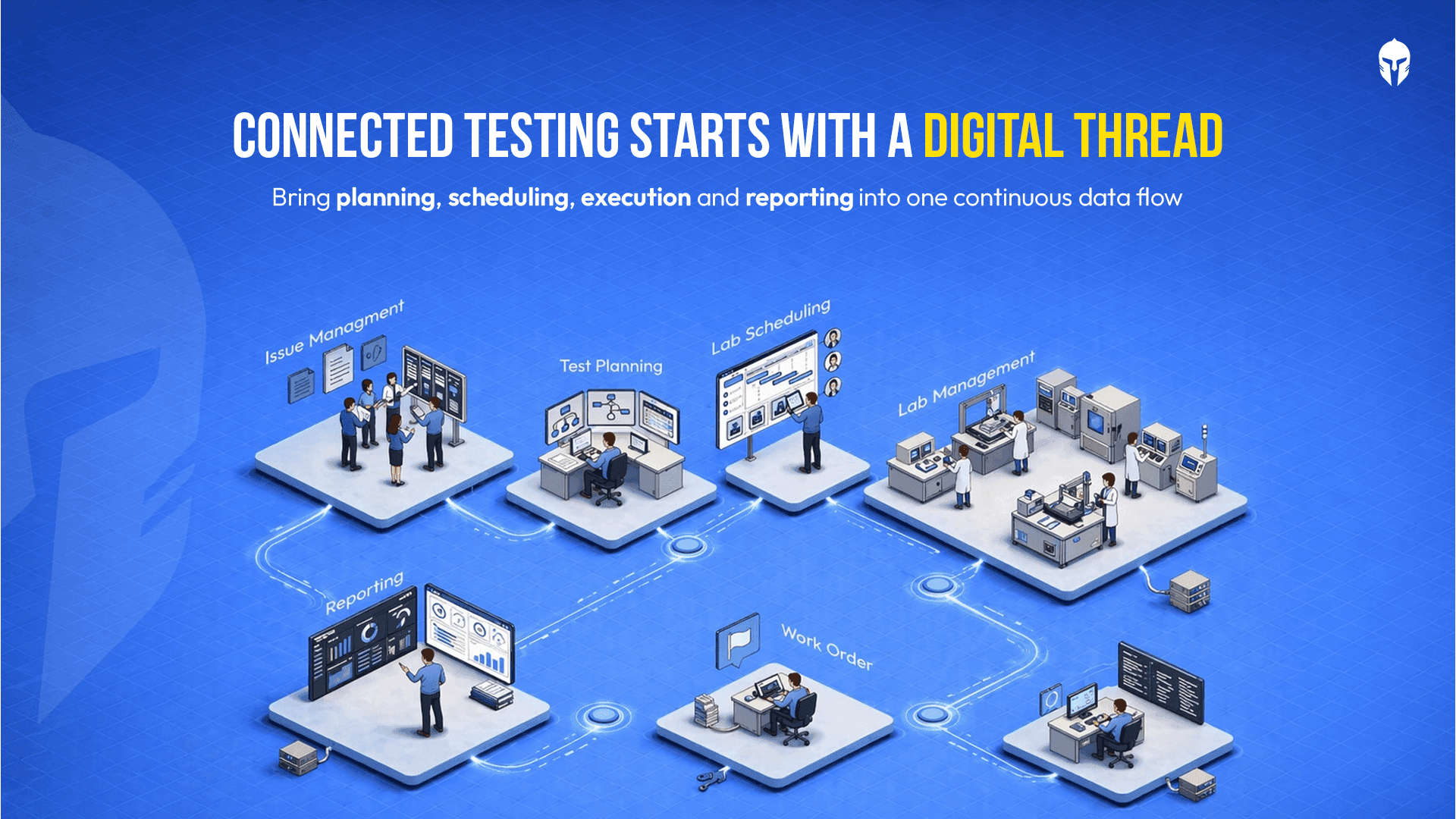
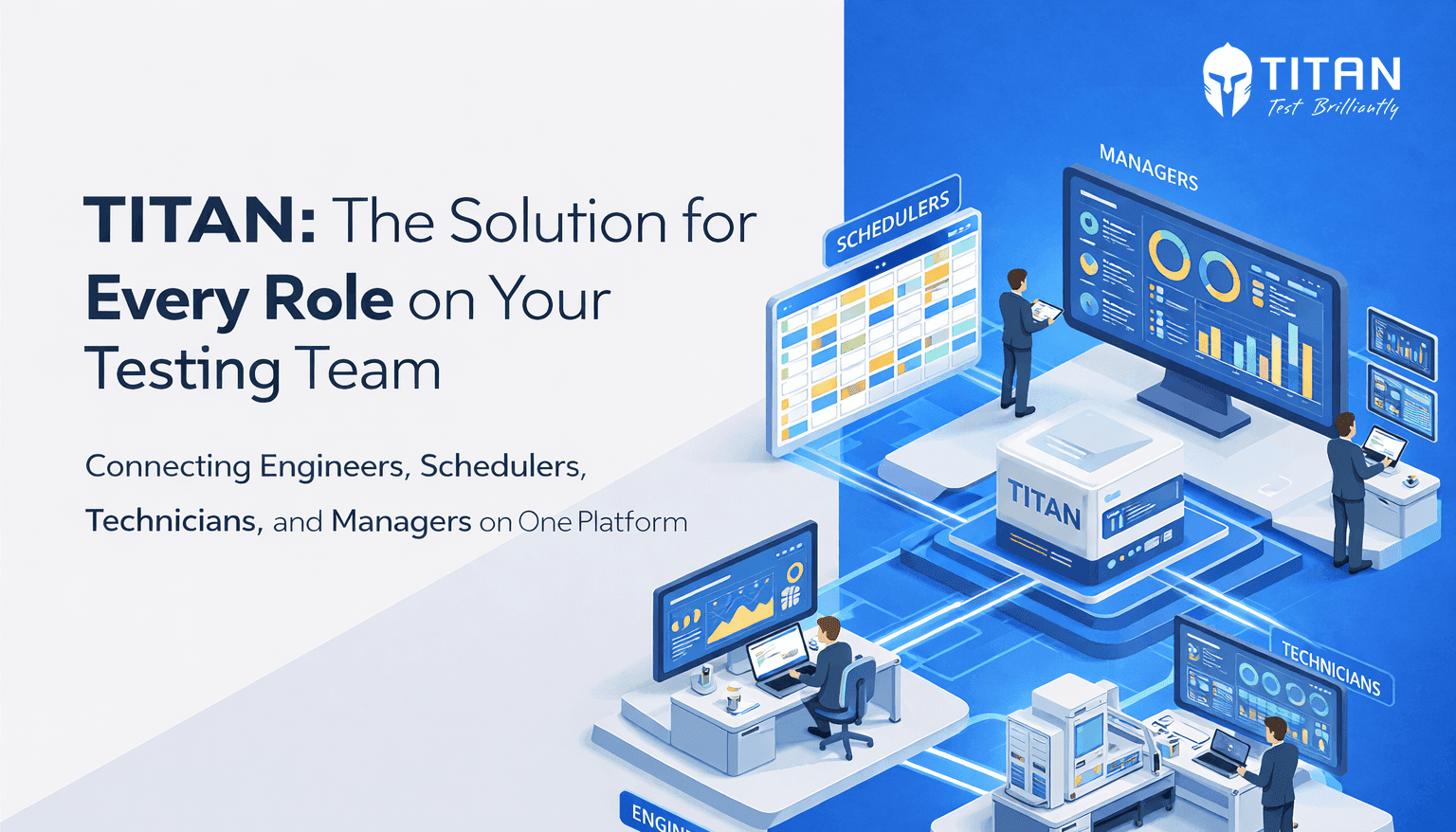
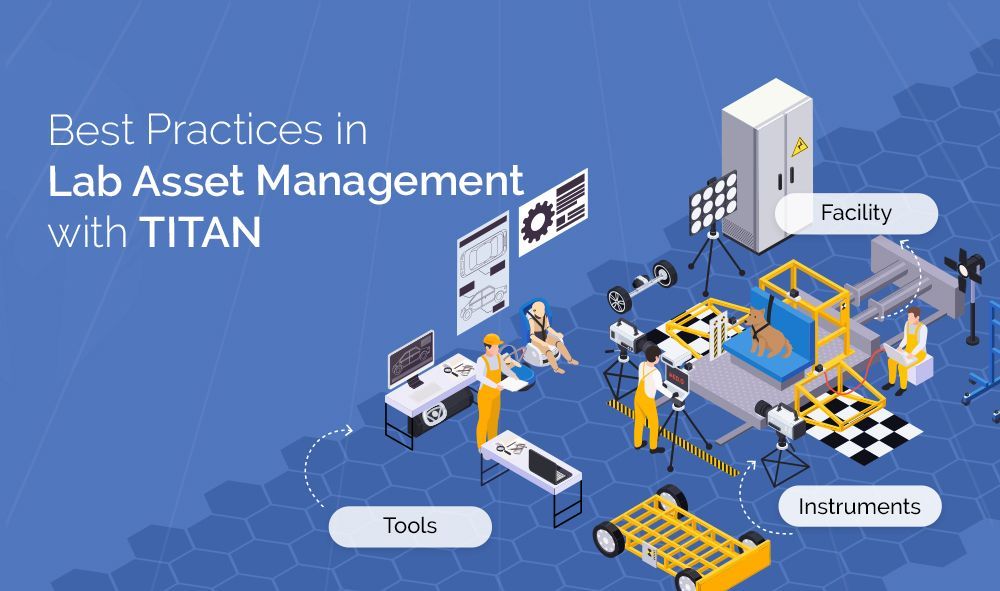
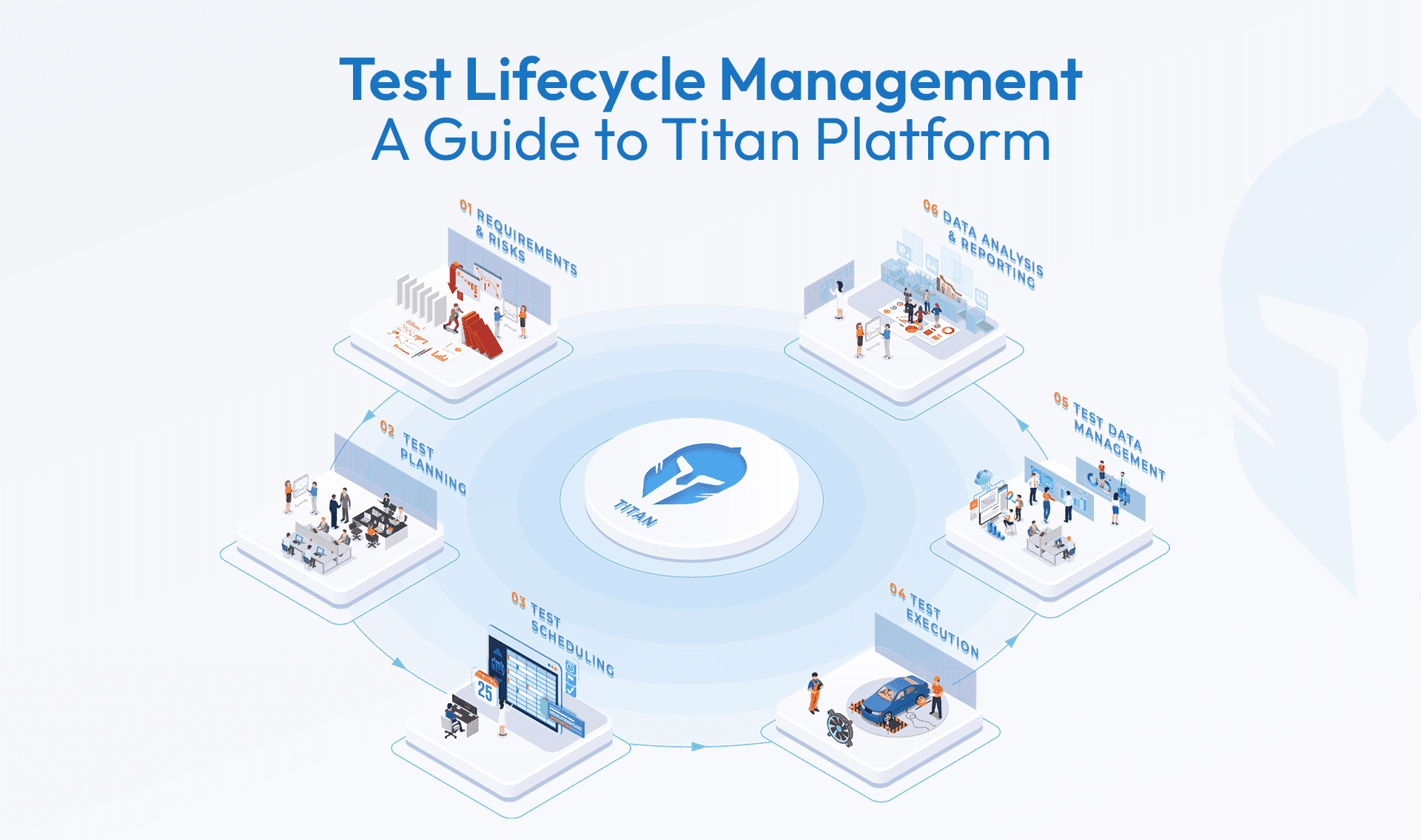
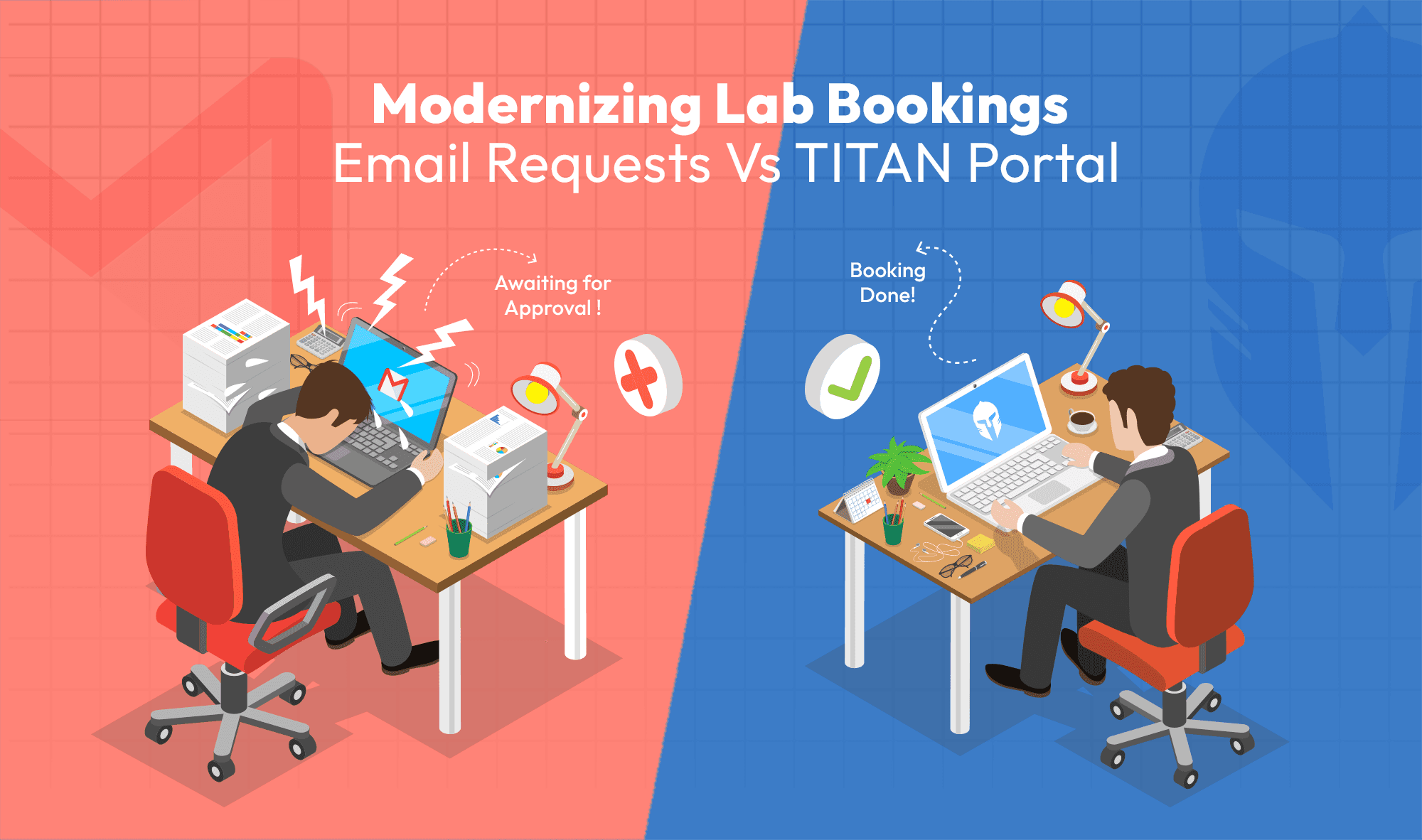
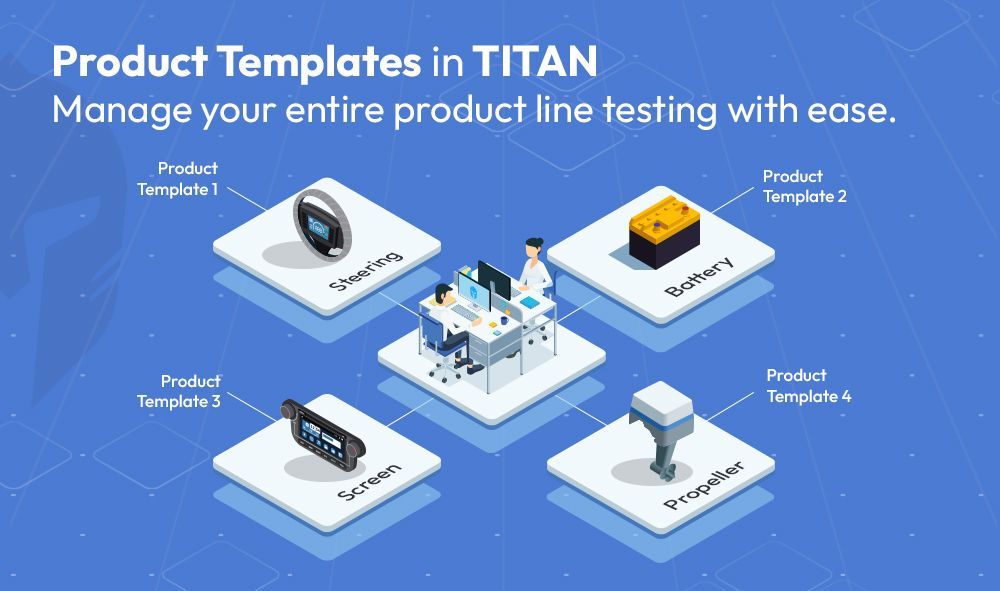
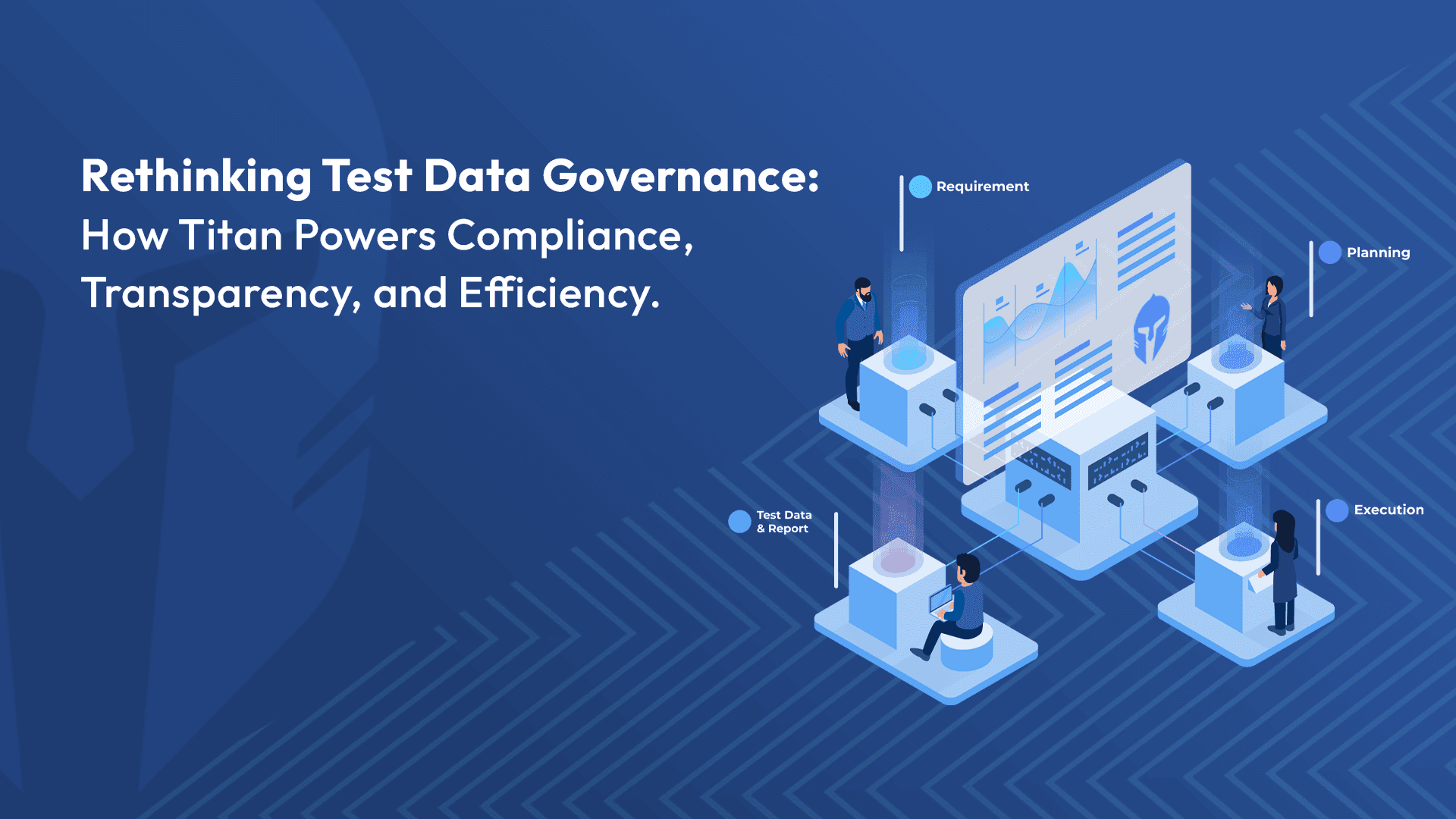
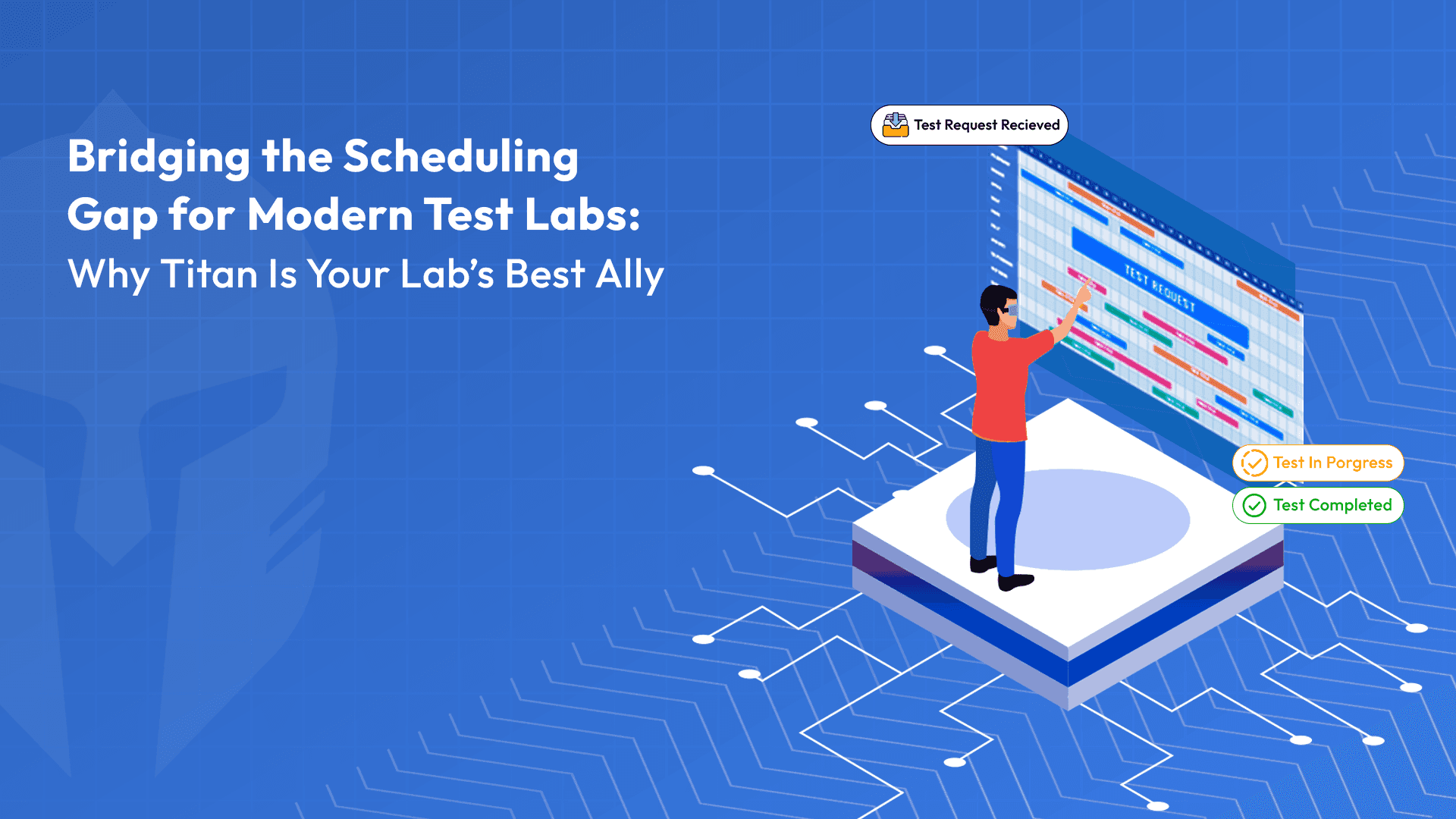
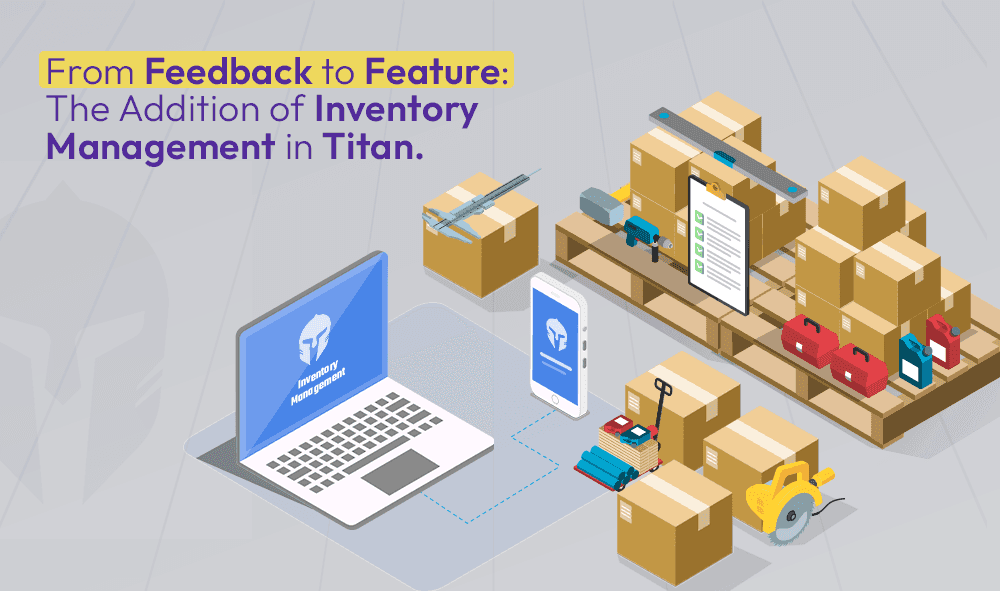
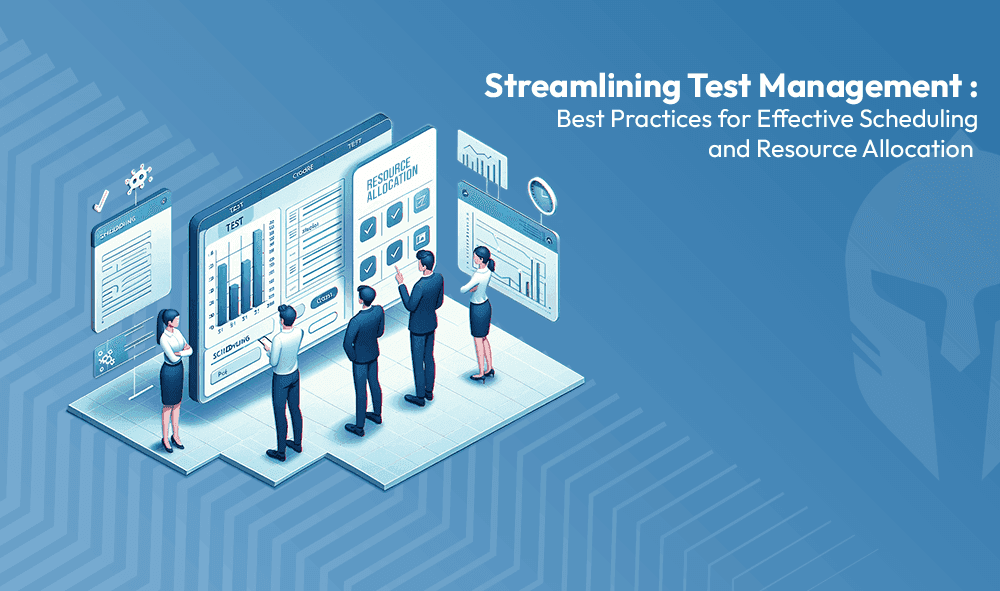
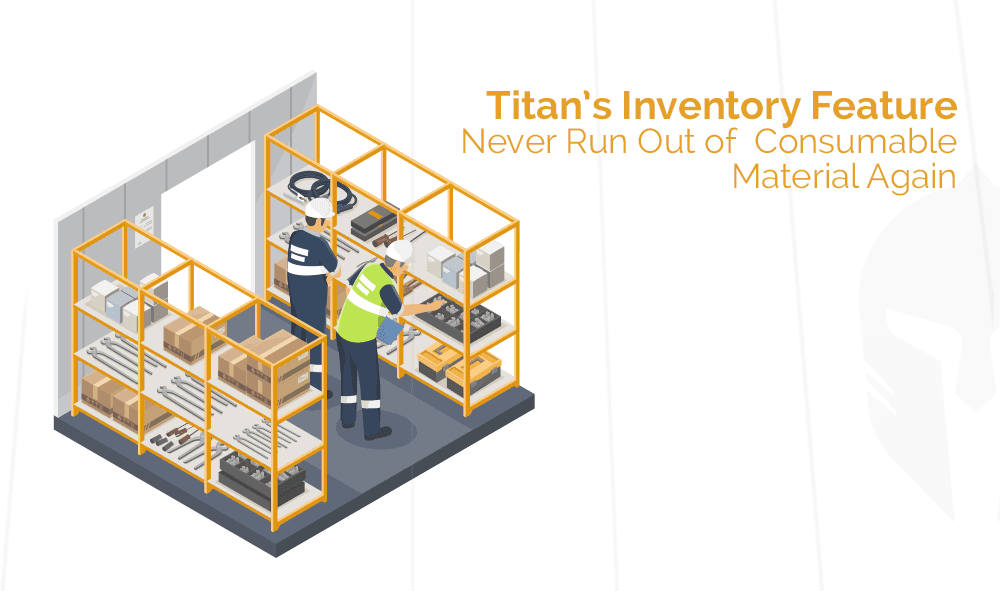
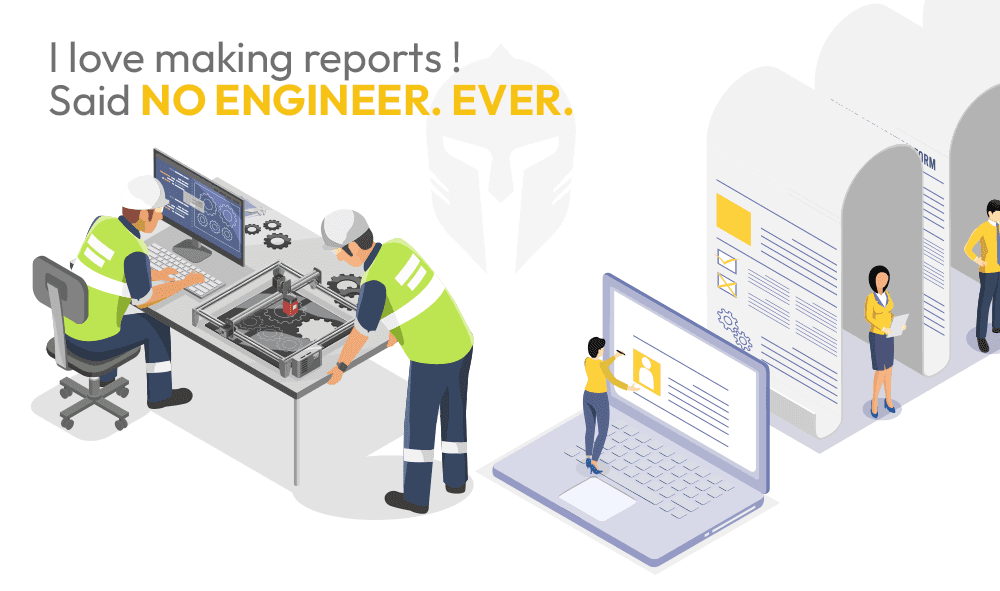
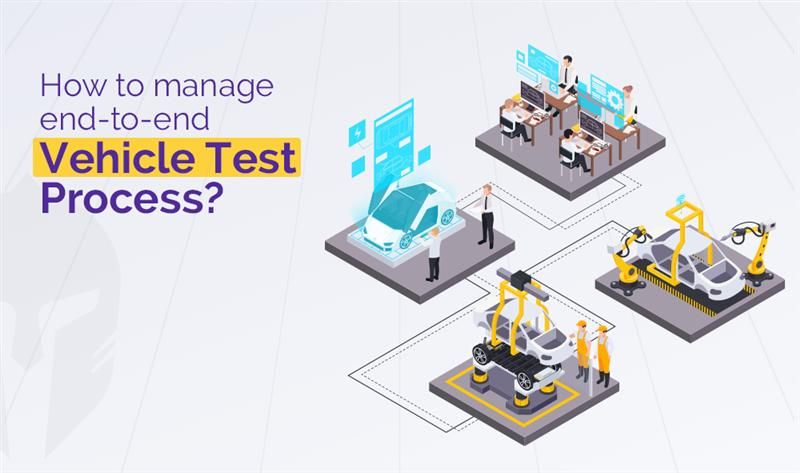
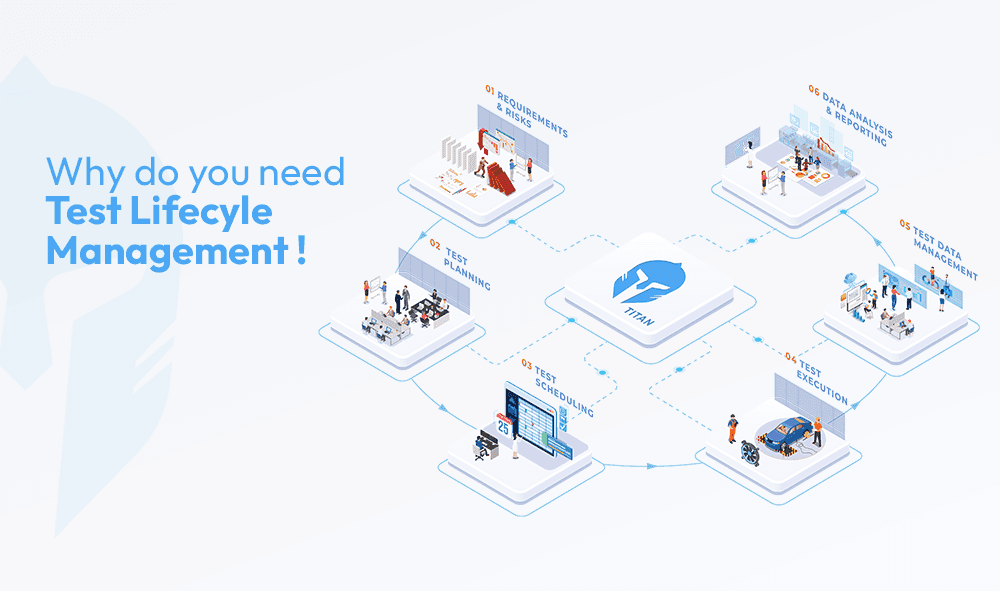
Test approvals, scheduling, technician allocation and equipment and material reservation represent just a subset of full end-to-end test life cycle management. Reporting with view and mark-up capability; preventive maintenance; inventory management; these are a few out of the box features that the team may not have considered when designing a test management system. They come standard in TITAN.
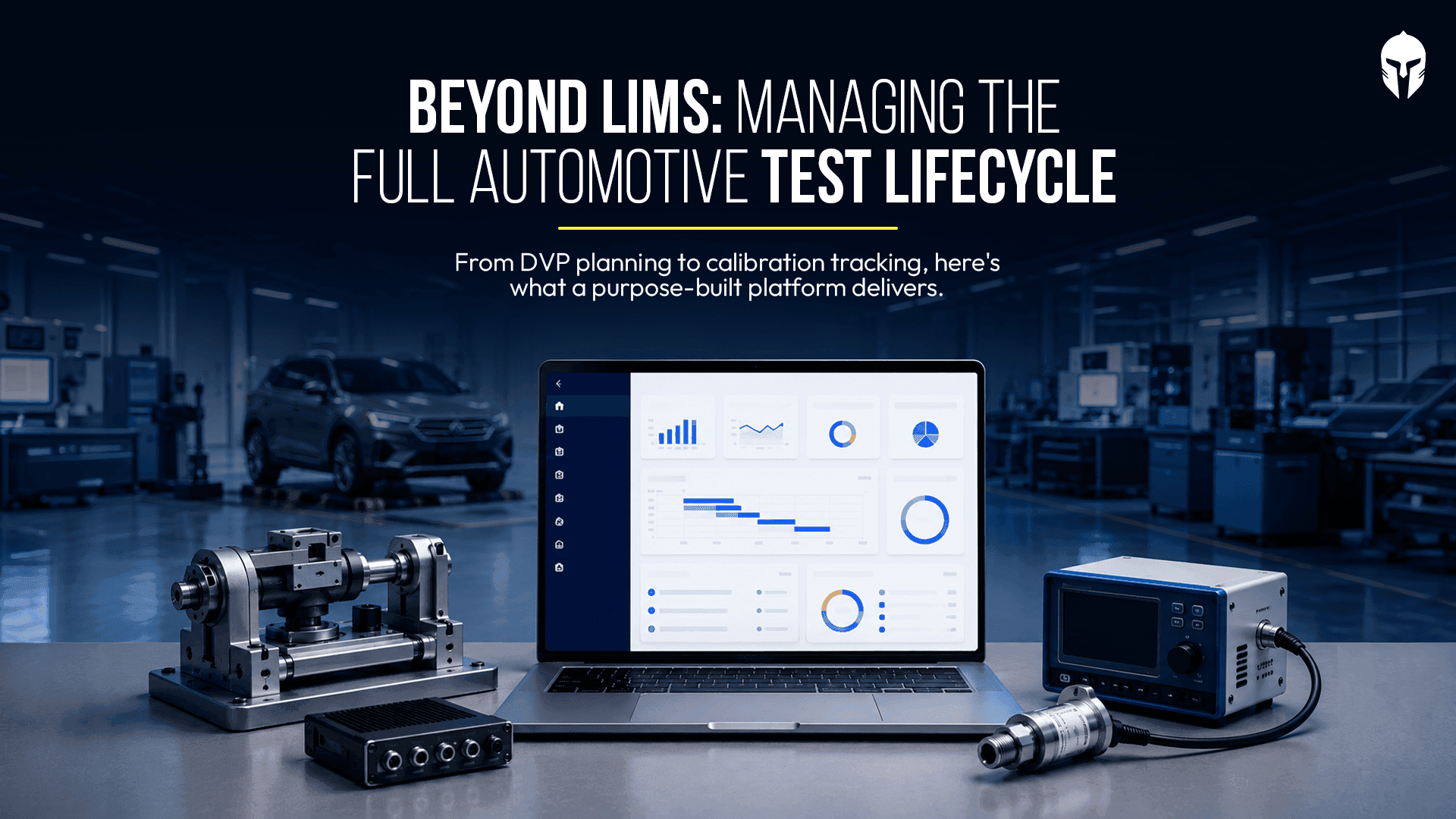
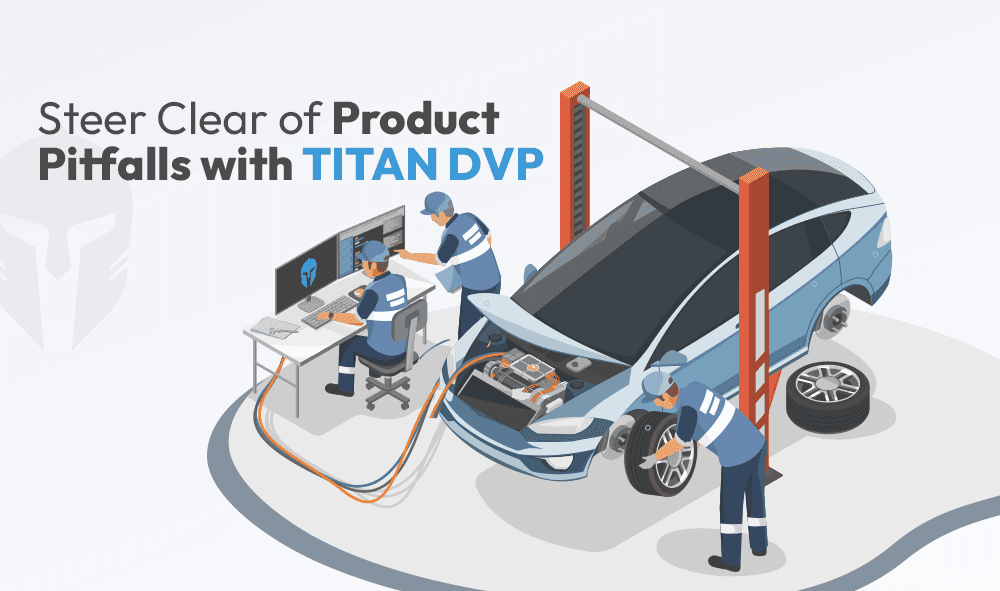
This is where scope estimates go wrong. Teams build the scheduler because scheduling is the visible pain. Then someone asks for DVP management, and the tool needs to link requirements to tests. Then calibration lapses on a booked asset and it needs to know that too. Automotive test management is not one application. It is a dozen connected ones and the twelfth is the one nobody scoped.
Community
Developing your own test management application leaves you with a community of one, at times forced to reinvent what already exists. TITAN offers a wide community of users that share the same concerns as your organization does. The community offers informal support and can drive application recommendations; this input drives the roadmap for TITAN.
Enterprise wide Test Lifecycle Management
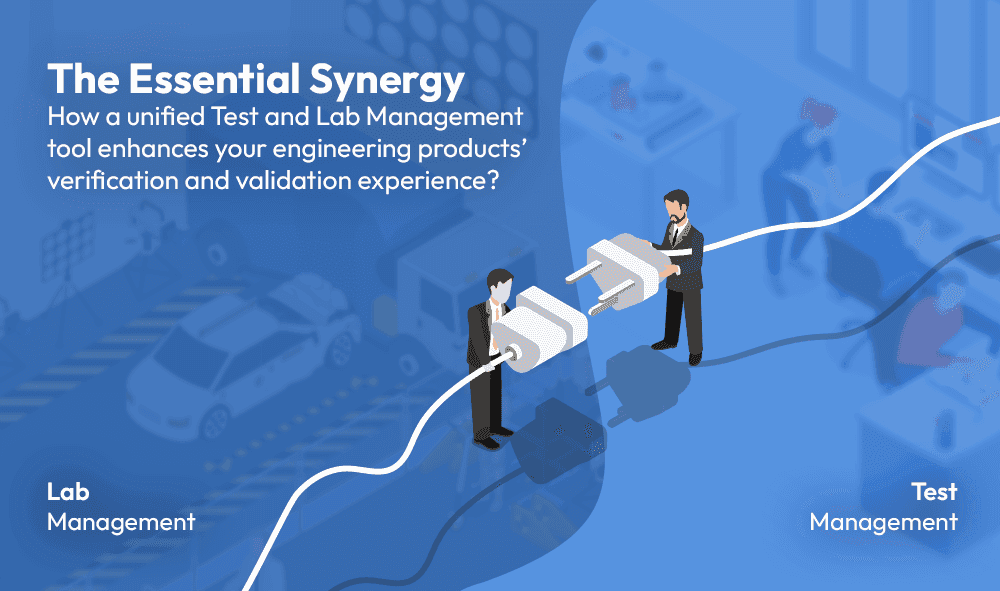
Perhaps TITAN's greatest strength lies in its "portal" concept. Portals allow individual test teams to execute their local processes, while providing the ability to share items (like equipment or facilities) among teams. It is this capability that allows multiple test teams to share TITAN, reducing costs while giving leadership new insight into the full testing operation.
Standardization
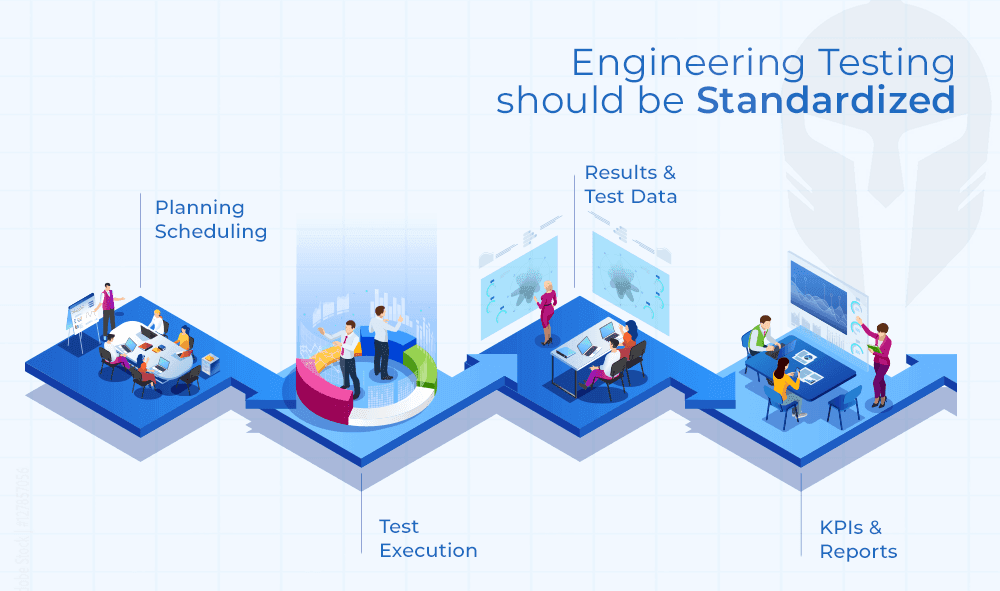
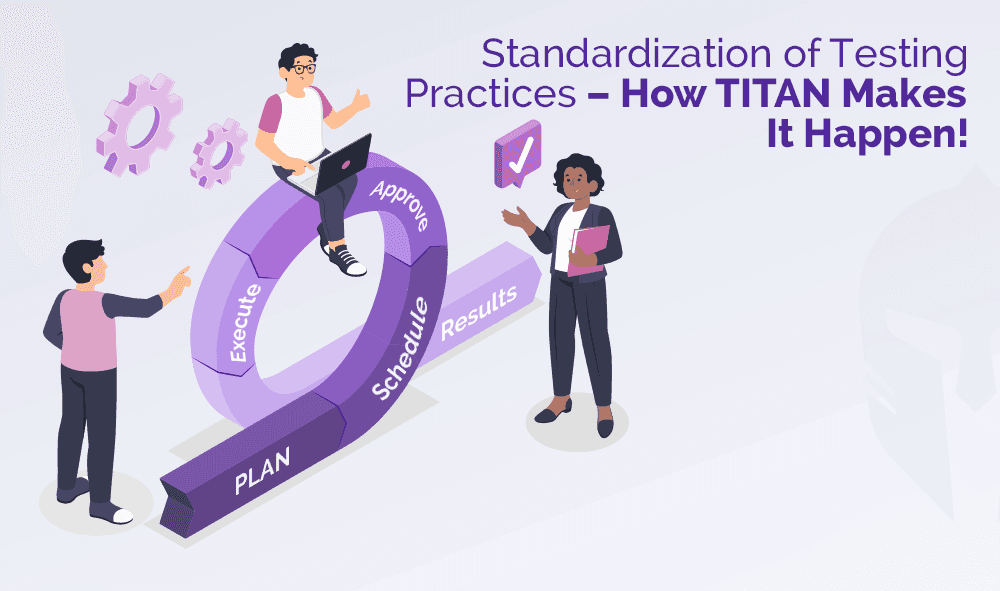
Standardization in engineering testing, fosters a unified approach to testing and leads to more efficient, reliable and predictable testing environments, facilitating continuous improvement and innovation within organizations. Our post on standardization of testing practices walks through a worked example across three departments.
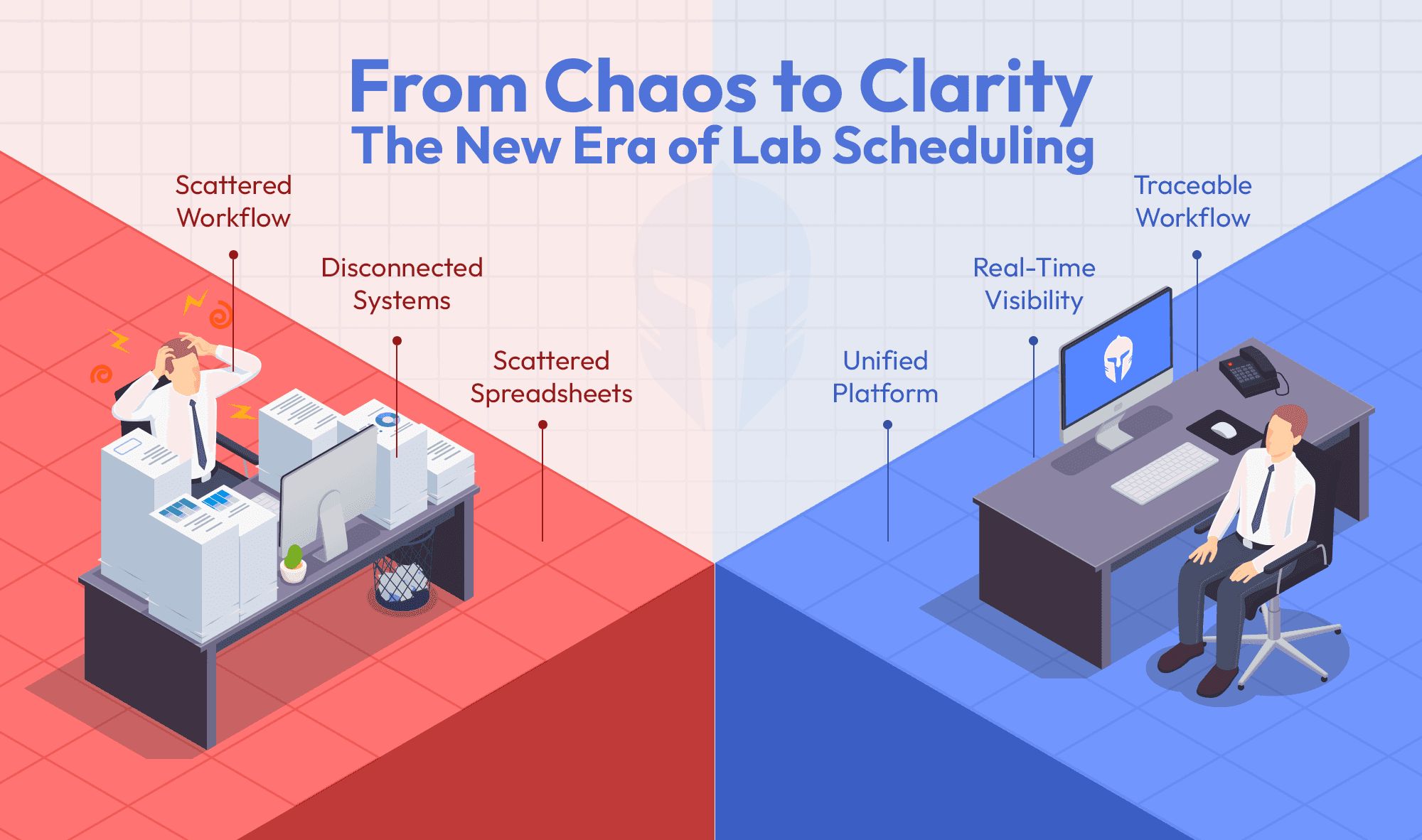
Standardization offers significant benefits including cost savings by eliminating expenses associated with maintaining multiple, potentially obsolete systems and simplifies onboarding for Engineers and Technicians.
Conclusion
When making the decision to go COTS or custom, the organization needs to ask itself: does your testing process give you a competitive advantage? Some of the technologies used might indeed give you an edge, but the administration of the testing process itself is a candidate for automation. Titan can manage it.
The distinction worth holding onto is between your test methods and your test administration. The method is yours. The way you developed it, the parameters you learned the hard way, the thresholds nobody else knows. That is worth protecting and worth building around. The request, the approval, the booking, the record and the report are the same in every lab on earth. Building that yourself buys you nothing and costs you a maintainer. Engineering test management is plumbing. Automotive TLM exists so teams at OEMs and across automotive test programs can stop building plumbing.
Request a demo and see Titan in action